
Hiring Your
Architectural Photographer
A collaborative process from concept to publication
Working with an architectural photographer should feel seamless and inspiring.
A professional photoshoot requires thoughtful planning, technical precision, and creative vision. Here’s how we can collaborate to bring your project to life—from our first conversation to final publication.
How the Photography Collaboration Works
Every project is different, but the process is always thoughtful and well-structured. Here’s how we move from first ideas to finished images—together.
1. Initial Consultation & Project Brief
Every successful collaboration starts with clarity. We’ll define the story your space should tell and how best to translate it into images.
2. Pre-Site Visit & Planning
From site visits to lighting plans, I prepare everything in advance—ensuring a smooth, efficient shoot with no surprises on the day.
3. Photography Day(s)
On shooting day, I document both interior and exterior spaces, focusing on architectural form, light, materials, and atmosphere. If beneficial, drone photography is included to give perspective and scale.
4. Post-Production
This stage is about refinement. I correct perspective, enhance lighting and color balance, and bring out material details while ensuring fidelity to the architect’s vision.
5. Review & Delivery
After post-processing all the images, we will sit together with the client to fine-tune small aspects. Once that is done, the final images are then sent via WeTransfer.
6. Publication & Promotion
Want to submit your project to architecture magazines or websites? I offer support for preparing images for publication—including editorial selection, formatting, and advice on narrative structure.
Before & After: The Art of Refinement
Great architecture deserves to be seen in its best light—literally. This section showcases the transformative power of post-production in architectural photography. Each before-and-after image pair reveals how careful editing enhances natural light, corrects perspective, balances color, and brings out the finest details of every structure.
From removing distractions to subtly refining textures and tones, post-processing allows the vision of architects and designers to shine through with clarity and precision. These examples highlight the meticulous attention to detail that goes into every final image, turning a good photograph into a powerful visual statement.
Explore the difference, and see how the right editing elevates each space from reality to representation.


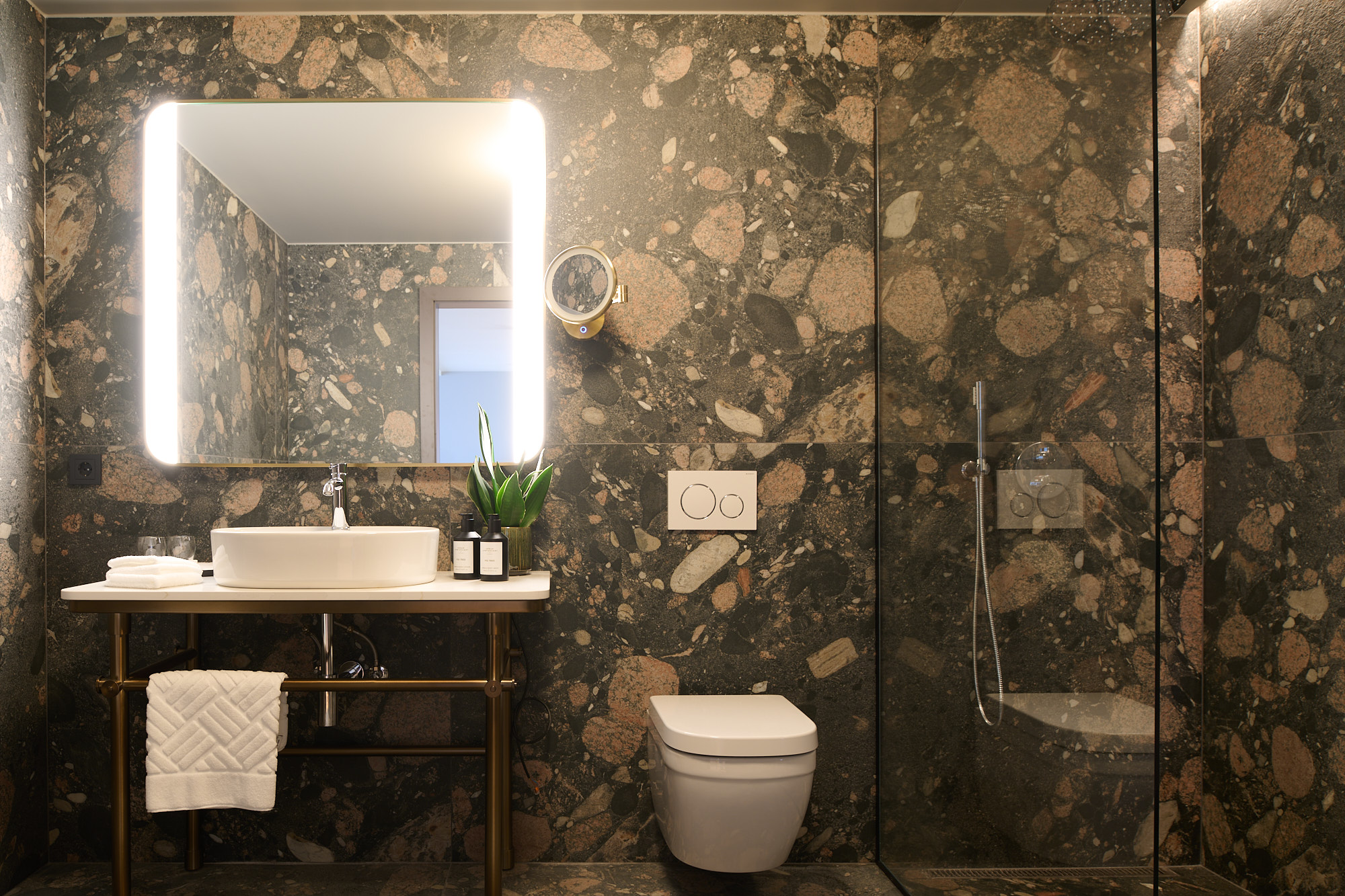
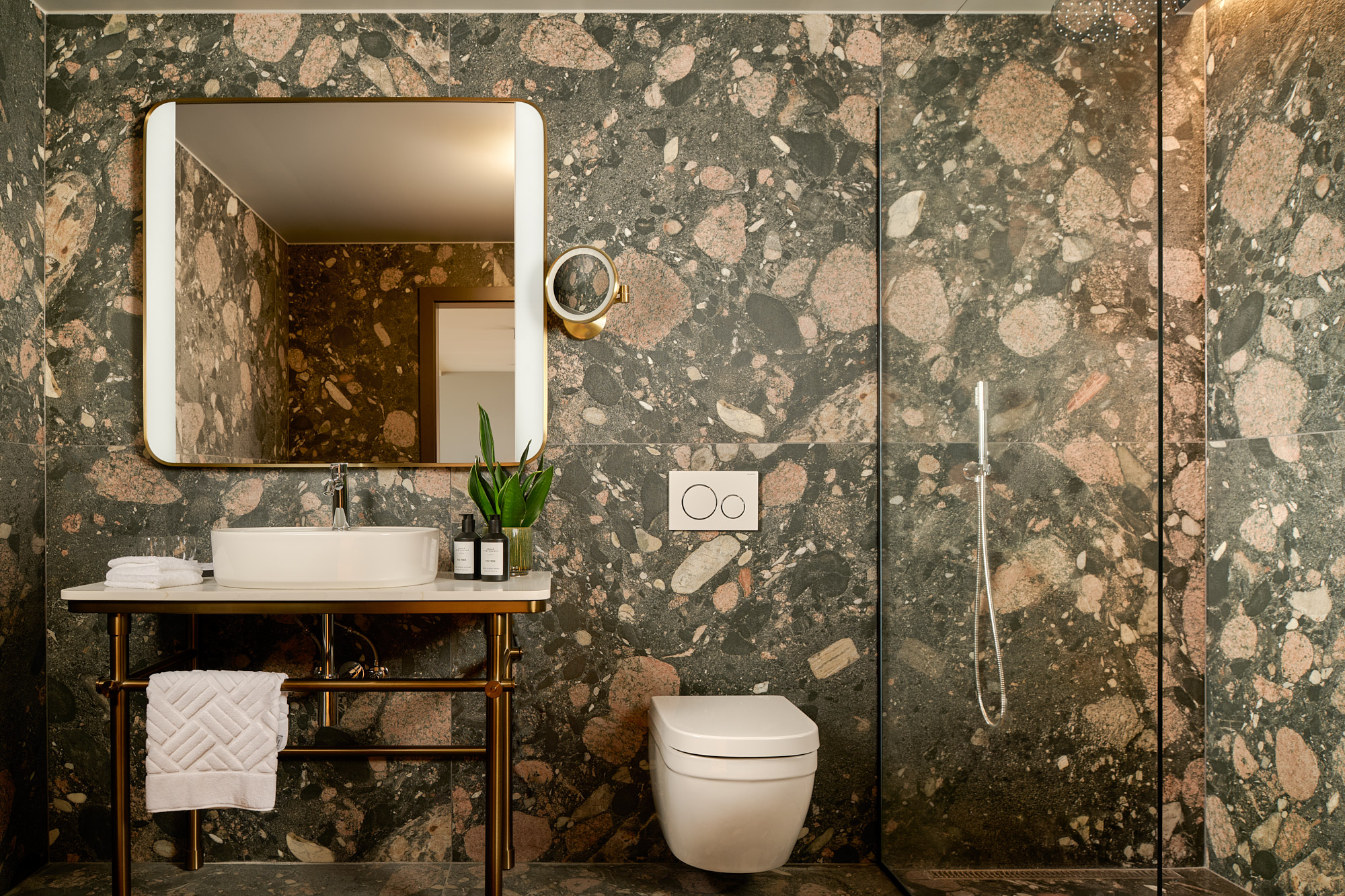


Architectural Photo Shooting Services
From planning to publication, every step matters. Here’s a detailed breakdown of the services I provide to ensure your architecture is captured at its best.
Need more details about the Workflow? I’m here to help.
Before the photography day, I carefully plan how to approach the project on-site. This includes scouting the location to understand natural light, angles, and any site-specific challenges. I select the appropriate gear—including tilt-shift lenses, tripods, and drones if aerials are needed—and schedule the shoot around optimal lighting conditions, such as golden hour or twilight.
To ensure a smooth shoot, I ask the client to confirm that the building is clean, staged, and photo-ready. A finalized shot list, access details, and any logistical considerations (like keys or permits) are also helpful for keeping the day focused and efficient.
On the day of the shoot, I set up equipment, adapt to light conditions, and fine-tune compositions as the space reveals itself. Depending on the project, I may shoot at different times of day to capture both natural and artificial lighting atmospheres. My approach is built on flexibility, with real-time adjustments for weather, site access, or last-minute changes.
I photograph a variety of perspectives—agreed in advance—to tell the full story of your architecture:
Exterior shots: symmetry, context, and natural light.
Interior shots: light flow, materiality, and spatial rhythm.
Details: textures, finishes, and architectural elements.
Contextual views: surrounding landscape or urban setting.
Aerials: captured via drone, when permitted and useful.
Please ensure access to all areas to be photographed, and communicate any updates or changes on site.
Once the shoot is complete, all the images are shared via PicDrop for the client to choose a final set to be worked in post-production. In this stage, I use an array of different exposures with various light sources and blend them into a single image, creating visual distinctive final result. To do so, multiple techniques come to play, such as correcting lens distortions, adjusting lighting and color balance, recovering shadows and highlights, and removing visual distractions—always with the goal of preserving architectural integrity.
At this stage, we carefully review the final set of images and make any necessary refinements to ensure every detail is just right. A final discussion typically takes place between the photographer and the client—either in person, over the phone, or via email—to confirm all preferences and adjustments. Once everything is approved, the project is prepared for delivery. Final images are provided in both Full Size (300 dpi) and Web-Optimized (72 dpi, 2000 px on the long edge) formats, delivered via a WeTransfer link valid for one month.
After the final images are delivered, I offer support in preparing your project for exposure across a variety of platforms. High-quality photography deserves to be seen—and strategically published, it can strengthen your reputation and open new opportunities.
Images can be used for:
Portfolio development (print or online).
Submissions to architecture and design magazines.
Website features or blog content.
Award and competition entries.
Social media campaigns.
Branded materials (brochures, lookbooks, annual reports).
Exhibition and presentation materials.
Real estate and development marketing.
If specific formats or usage rights are required—such as exclusivity or editorial licensing—we’ll define those together. I ensure each image meets the standards and specifications of its final destination.