
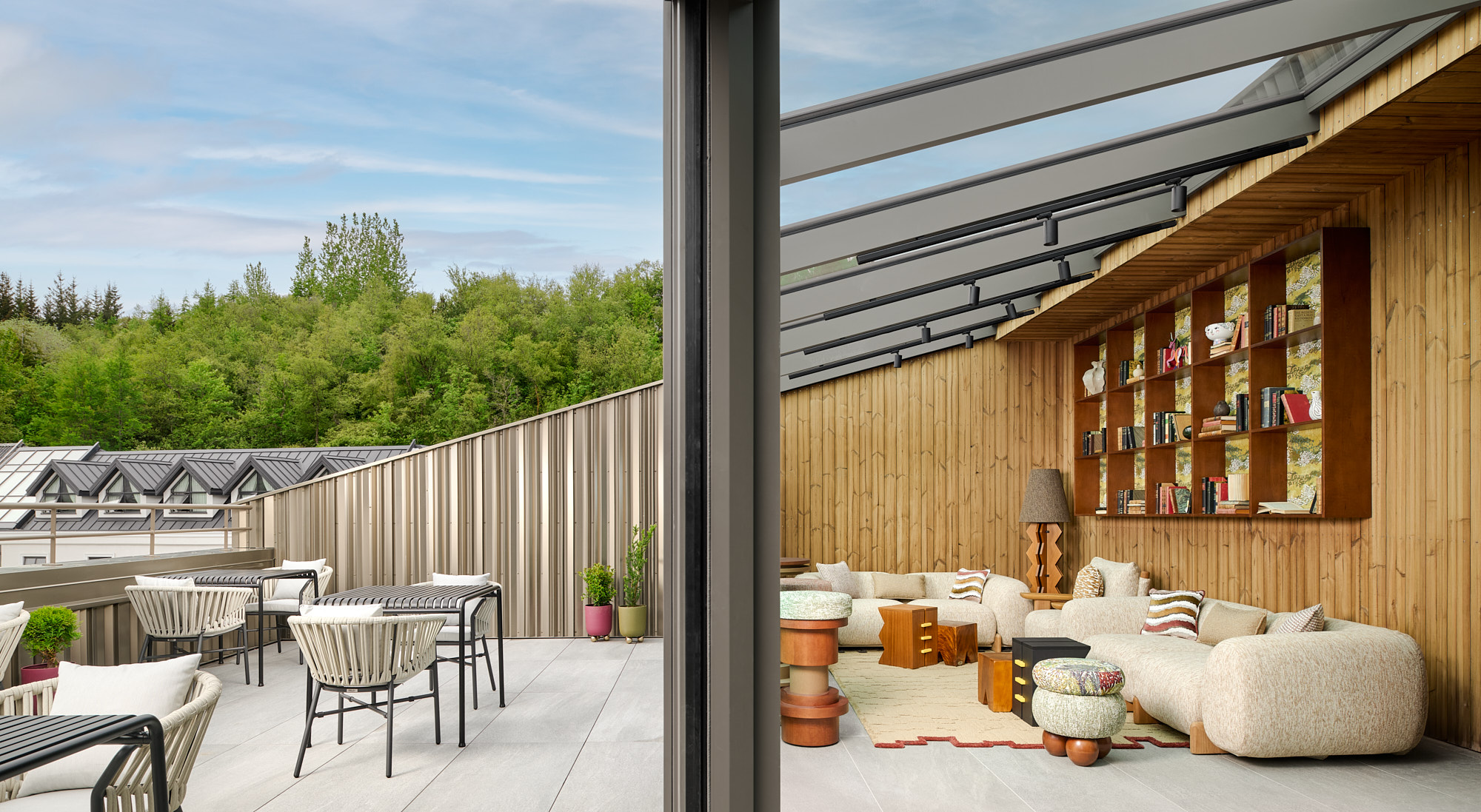
Luxury hotels are shaped by countless decisions. Architects define the building, interior designers create spaces that reflect the brand, and every material, piece of furniture and lighting choice contributes to the hotel atmosphere. Considerable time, expertise and investment go into creating a place that feels distinctive.
Yet once the project is complete, photography is often treated as one of the final items on the checklist rather than as an essential part of the investment. Budgets are tighter, opening dates are approaching, and attention naturally shifts towards welcoming the first guests.
Over the years, I’ve noticed that this is one of the most common misconceptions in hotel development. Photography is often seen as the final step of the project, when in reality it is the beginning of how the hotel will be experienced by everyone who hasn’t yet walked through its doors.
Architecture is designed to be experienced in person. Photography is what allows that experience to begin online.
Your Hotel Is Finished Only When It Is Ready to Be Seen
A luxury hotel is rarely defined by a single element. It is the result of hundreds of decisions made over months—and often years—to create a coherent hotel experience. Every discipline contributes to shaping the final identity of the property, from architecture and interior design to branding, landscape design, lighting, bespoke furnishings, artwork and carefully considered decorative details.
Each of these elements is carefully considered to create a place that feels distinctive and memorable. Together, they define not only how a hotel looks, but how it is experienced.
Once construction is complete, the project itself may be finished, but its commercial life is only beginning. Photography brings all of these elements together into a visual language that future guests can immediately understand. It reveals the relationship between architecture, materials, light and atmosphere, allowing the hotel’s character to be communicated long before someone steps through the front door.
Without professional photography, much of the value created through design remains difficult to appreciate. The investment has already been made, but it has yet to be fully seen.
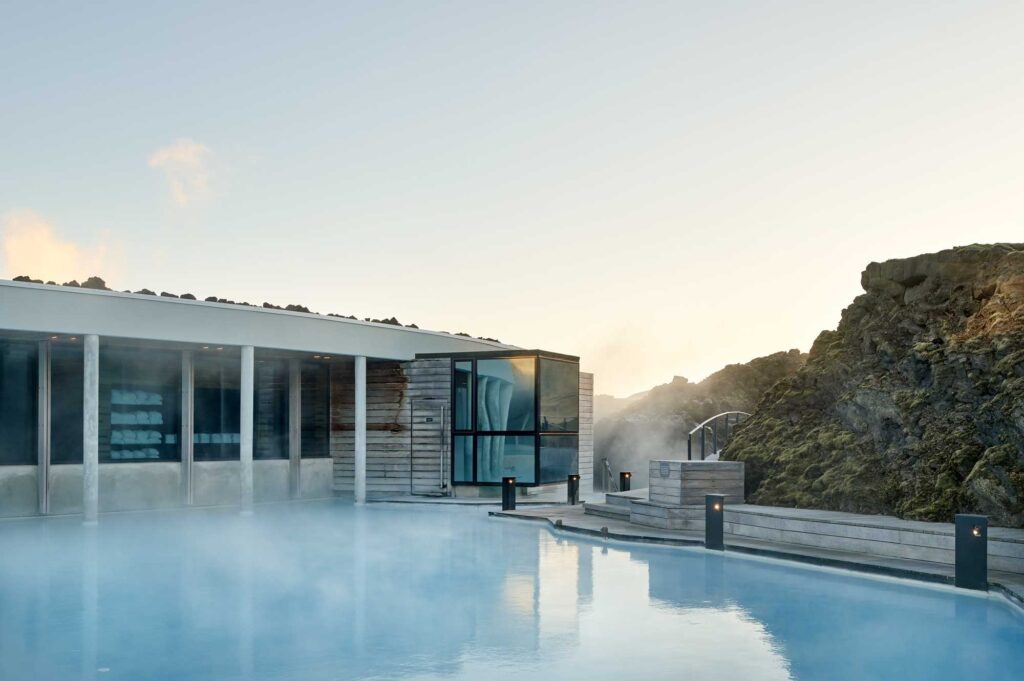
My First Walk Through the Hotel
Every hotel has its own personality, but understanding it requires looking beyond a floor plan or a list of amenities. It emerges from the way architecture, light, materials and landscape come together to create a particular feeling. Before I can photograph a hotel, I need to understand what that feeling is.
That’s why I always begin by walking through the property without taking a single photograph. My objective is to understand what future guests will remember most about the hotel. Is it the architecture? The landscape? The spa? The restaurant? Or is it something less obvious, like the way morning light fills the lobby or how a particular view unfolds as guests enter the building? The answer influences every creative decision that follows.
This first visit is about observation rather than photography. I look at how spaces connect, how natural light changes throughout the day and where guests naturally slow down. I pay attention to the details that make the experience memorable, because those are often the moments that deserve the greatest visual emphasis.
A luxury hotel may have one hundred beautiful spaces, but not all of them contribute equally to its identity. My role is to recognise the elements that make the property truly distinctive and ensure they become the strongest part of its visual story. Every creative decision – from the choice of viewpoint to the moment the shutter is pressed – is guided by a single objective: to communicate the hotel at its very best. Ultimately, it’s about revealing the value that architects, designers and hotel owners have already worked so hard to create.
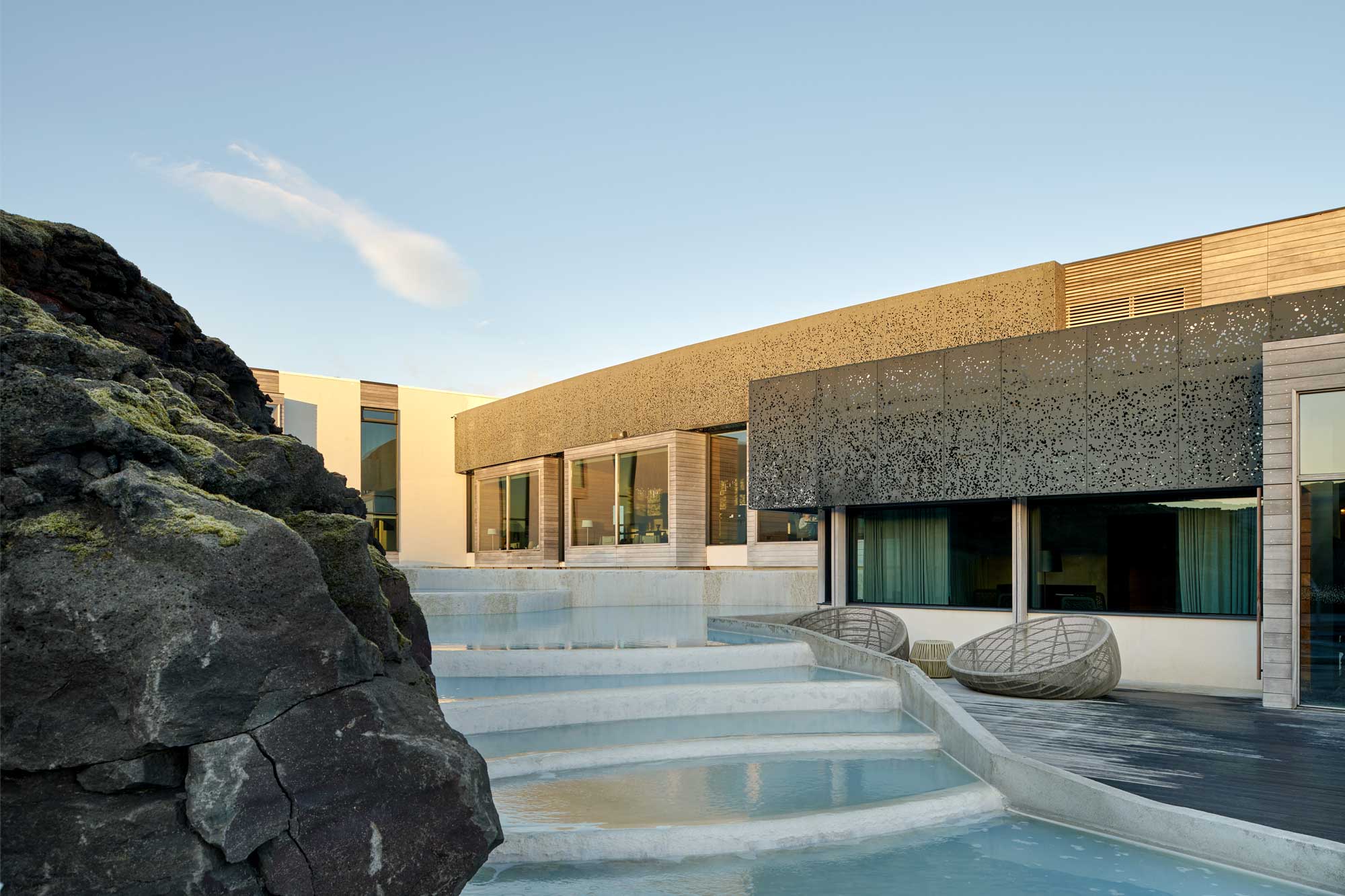
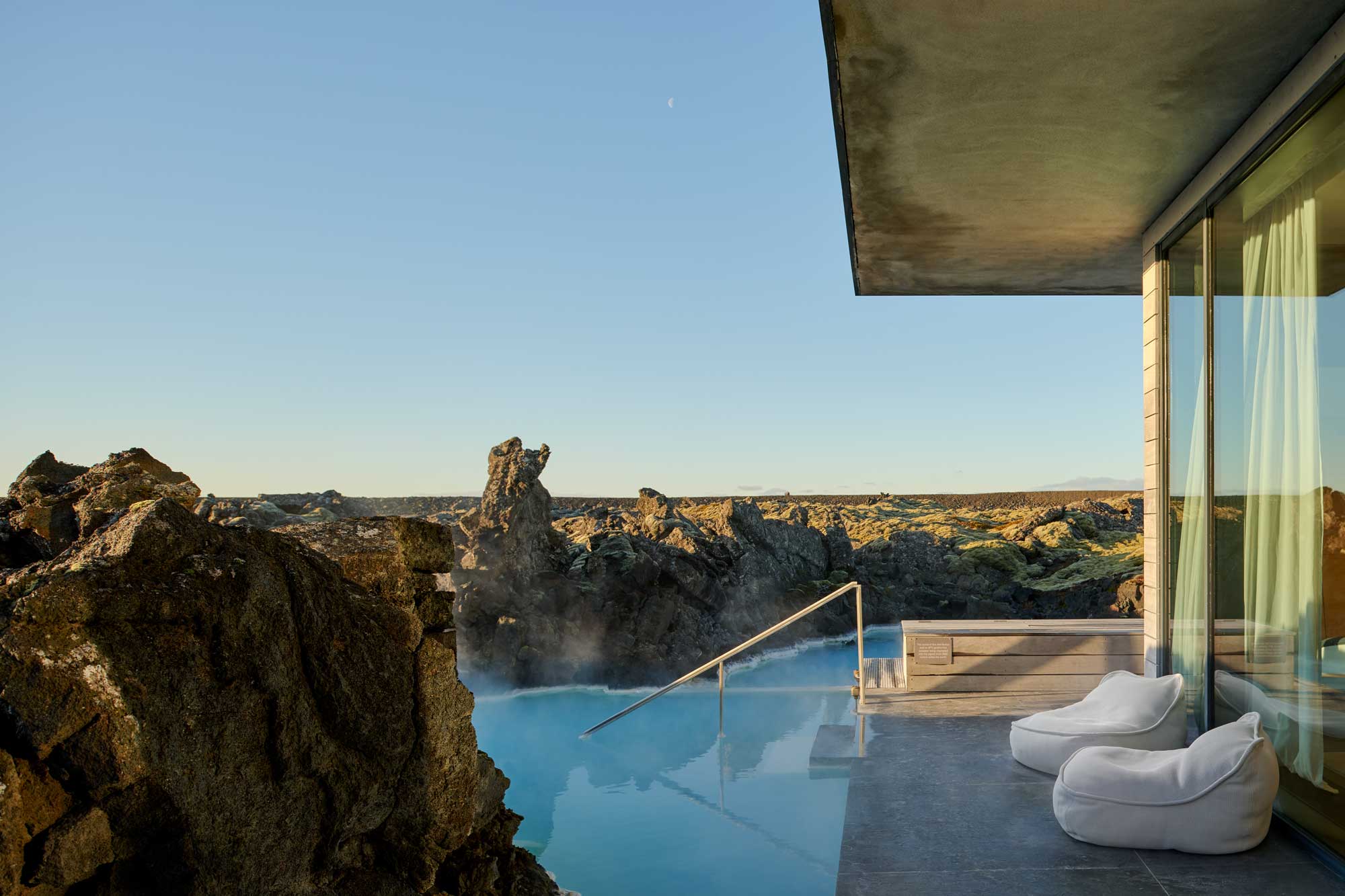
Guests Book the Experience They See
For most travellers, choosing a hotel begins long before they arrive. Before reading room descriptions, comparing amenities or exploring guest reviews, they look at the photographs to understand what the hotel offers and whether it reflects the experience they are searching for.
Academic research and hospitality industry reports consistently show that professional hotel photography influences how guests perceive a property and whether they decide to book. High-quality imagery has been linked to stronger booking intention, higher perceived value, greater trust and an increased willingness to pay.
The impact is reflected in measurable results:
- Hotels with 20+ high-quality images receive around 135% more traveller engagement.
- High-quality OTA galleries generate approximately 63% more clicks than properties with poor or limited photography.
- One experimental study reported a 225% increase in booking intention when professional photography replaced a text-only presentation.
- According to Airbnb, listings with professional photography receive 19% more bookings and generate 21% higher earnings than comparable listings.
These findings reinforce something that feels intuitive to anyone working in hospitality: before guests compare prices, amenities or reviews, they compare images.
Understanding how guests make their decisions changes the way professional hotel photography should be approached. Research tells us that the first impression matters. The challenge is no longer deciding what to photograph, but deciding what future travellers should see first.
The First Five Seconds
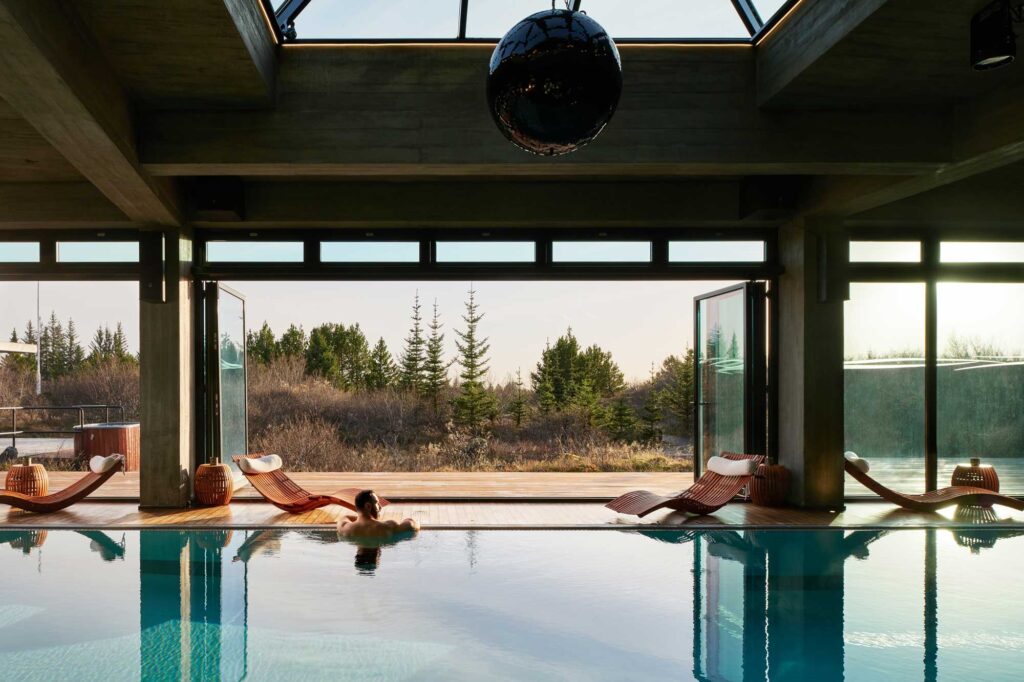
When planning a hotel shoot, I often ask myself a simple question: if someone had only five seconds to decide whether this hotel is worth exploring, which image would I want them to see first? Long before they notice the room categories or read the hotel’s story, one photograph will shape their first impression. Choosing that image is one of the most important decisions I make during the entire project.
The answer is rarely the most luxurious suite or the largest space. More often, it is the image that best expresses the hotel’s personality. It could be the way morning light enters the lobby, a quiet corner of the restaurant overlooking the landscape, or a beautifully framed view that immediately creates a sense of place. The strongest first image isn’t necessarily the most spectacular one. It’s the one that makes people curious enough to keep looking.
Choosing that first photograph also defines the rhythm of the gallery that follows. Once the opening image has established the hotel’s character, the remaining photographs no longer need to compete for attention. Instead, they work together to gradually reveal the experience, one space at a time.
Each photograph should reveal another part of the story, gradually building a complete picture of the hotel. Just as architecture guides guests through a building, photography should guide them through the story of the property.


Great Hotel Photography Is About Storytelling, Not Just Rooms
The first photograph captures attention. The rest of the gallery has a different responsibility: transforming that first impression into a complete understanding of the hotel.
A luxury hotel is never experienced all at once. Guests gradually discover its architecture, interiors, atmosphere and surroundings as they move through the property. Professional hotel photography should follow the same principle. Rather than presenting a collection of attractive images, it should recreate the emotions of discovering the hotel for the first time.
Every photograph has a purpose. Some establish a sense of place, others reveal the architecture or the relationship between the building and its surroundings. Some highlight craftsmanship and carefully considered details, while others capture atmosphere, light and the emotions that define the guest experience.
Together, these images become more than documentation. They allow future guests to understand not only what the hotel looks like, but what it feels like to stay there.
Luxury guests are not simply choosing a room. They are deciding whether they can imagine themselves in that place. Professional photography helps them answer that question long before a booking is made.
Building the Visual Story
Once the opening photograph has captured a guest’s attention, the challenge changes. The question is no longer “Which image should they see first?” but “How do I make the rest of the gallery feel like the experience of staying at the hotel?”
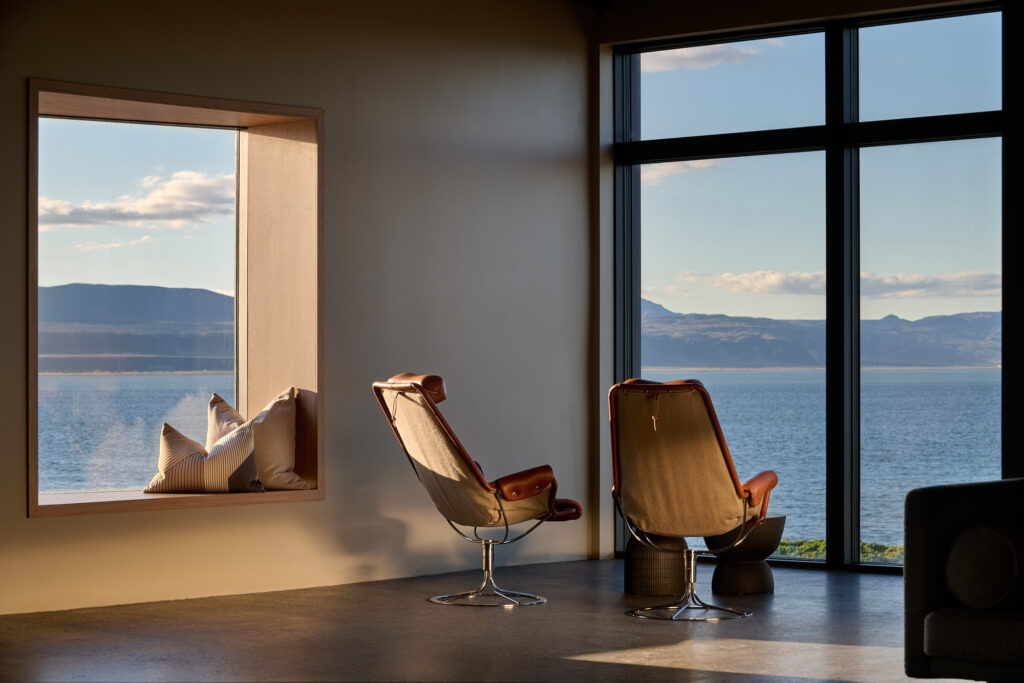
When I photograph a hotel, I don’t think in terms of individual images. I think about the curiosity of someone discovering the property for the first time. The sequence matters just as much as the photographs themselves. Every image should naturally lead to the next, gradually revealing another layer of the hotel rather than competing for attention.
Just as architects carefully choreograph how guests move through a building, I try to create that same sense of progression within the gallery. The opening images establish a sense of place. From there, the story unfolds naturally, revealing the architecture, interiors, craftsmanship and atmosphere in a way that feels authentic rather than staged.
Not every photograph serves the same purpose. Some establish context, helping guests understand the relationship between the building and its surroundings. Others reveal craftsmanship, highlighting carefully selected materials, textures and details that might otherwise go unnoticed. Some are there simply to capture a feeling-the quiet of an early morning, the warmth of natural light or the atmosphere that makes a place memorable.
Together, these photographs become more than a collection of beautiful images. They become a visual journey that allows potential guests to experience the hotel long before they arrive.
The Hidden Cost of Underinvesting in Photography
Understanding who the hotel is designed for, identifying what makes it distinctive and building a visual story that reflects the guest experience are all essential to translating years of design, craftsmanship and investment into long-term commercial success.
For this reason, the conversation shouldn’t focus on how little can be spent on photography, but on how much value professional photography can help create over the lifetime of the hotel.
Yet when planning a hotel opening, renovation or rebranding, photography is often one of the final services to be commissioned. By this stage, budgets are under pressure and there is a natural temptation to compare photographers primarily on price.
A familiar question is:
“Why spend €4,000 when someone else can do it for €1,000?”
At first glance, it seems like a sensible way to reduce costs.
The more important question is:
“What value will this investment create over the next five years?“
The impact of professional photography extends far beyond a hotel’s opening campaign. It influences how the hotel is perceived across every platform where potential guests encounter the property. The hidden costs can include:
- Lower engagement on booking platforms
- Reduced booking conversion
- A weaker perception of quality
- Greater difficulty justifying premium room rates
- Less effective marketing campaigns
- An image library that quickly becomes outdated, often requiring another photo shoot
- Missed opportunities to attract the hotel’s ideal guests
Unlike many operational expenses, professional photography continues to create value long after the shoot is complete. Choosing the lowest quote may reduce costs in the short term, but it can undermine the way guests perceive the hotel for years to come.
Revealing the Hotel at Its Best
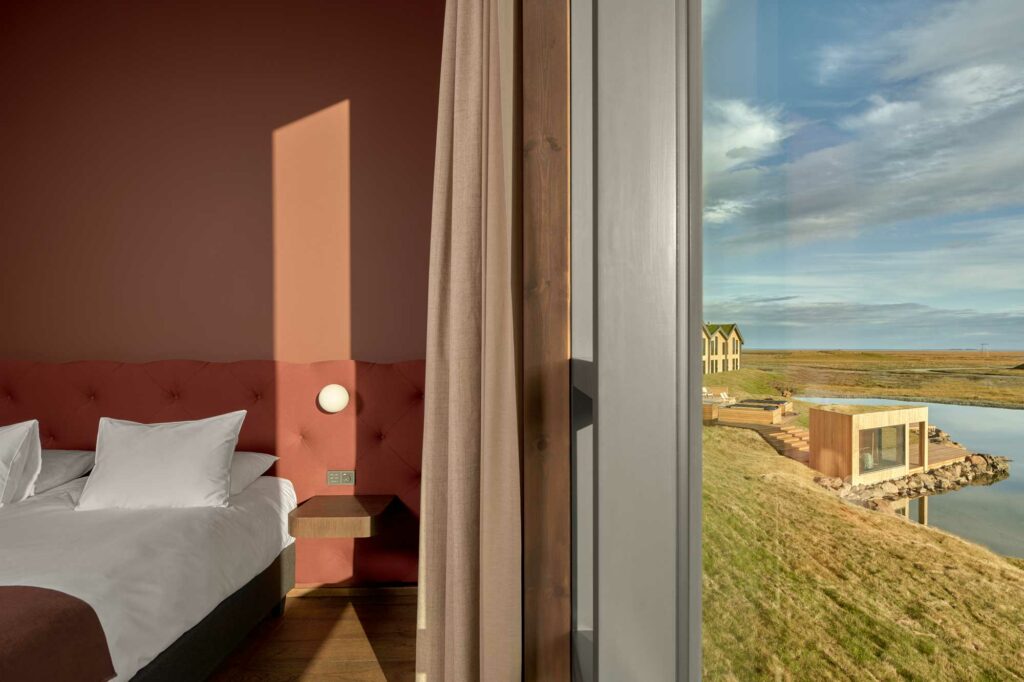
One lesson has become clearer with every hotel I’ve photographed: luxury hotels rarely lose opportunities because their architecture isn’t good enough. More often, they lose them because potential visitors never fully appreciate the quality that already exists. Beautiful materials, carefully designed lighting and exceptional craftsmanship only influence perception if people can actually see them.
Throughout every project, I keep asking myself the same question: do these photographs truly reflect the standard the hotel has worked so hard to achieve? If a property has invested in bespoke interiors, remarkable architecture or locally crafted materials, those qualities should be immediately recognisable. Otherwise, the photography unintentionally lowers the perceived value of the entire project.
The difference between an average image and an exceptional one isn’t always technical quality. More often, it’s the ability to recognise what makes a hotel worth choosing and ensure those qualities become immediately visible to future guests.
My responsibility is to ensure that every photograph reflects the same level of quality, care and attention that shaped the hotel itself. Because if the photography fails to communicate that standard, future visitors may never recognise everything that makes the property exceptional.


Skáld Hotel, Curio Collection by Hilton: Capturing the Experience
Every hotel presents a different creative challenge. Some projects are defined by their architecture, others by their landscape, history or the experience they want to offer. Skáld Hotel was unique because all of these elements were connected by a single idea: storytelling.
Located in the heart of Akureyri, the hotel draws inspiration from Iceland’s literary heritage. Its architecture, interiors and atmosphere celebrate Nordic design, local craftsmanship and a strong sense of place. Rather than treating these as individual features, the hotel brings them together into a coherent identity.
That immediately shaped the way I approached the project. The objective wasn’t simply to produce a beautiful gallery. It was to create photographs that communicated the same story the architects, designers and hotel owners had already built into the property.
Understanding the Story
The first step wasn’t taking photographs. It was understanding the vision behind the project.
Before planning the shoot, I spent time analysing the architecture, interiors and the relationship between the building and its surroundings. I wanted to understand what would make the hotel memorable once guests eventually arrived. Which spaces best expressed its identity? How did natural light shape the atmosphere? Which details reflected the craftsmanship and care invested in the project?
Because the hotel was still preparing to welcome its first guests, the challenge was different. Rather than documenting an experience that already existed, the photography had to anticipate it. Every image needed to communicate the atmosphere the hotel had been carefully designed to create.
Those reflections shaped every creative decision that followed. They influenced not only what would be photographed, but also when it would be photographed and how the gallery would gradually reveal the character of the property.
From the First Impression to the Complete Experience
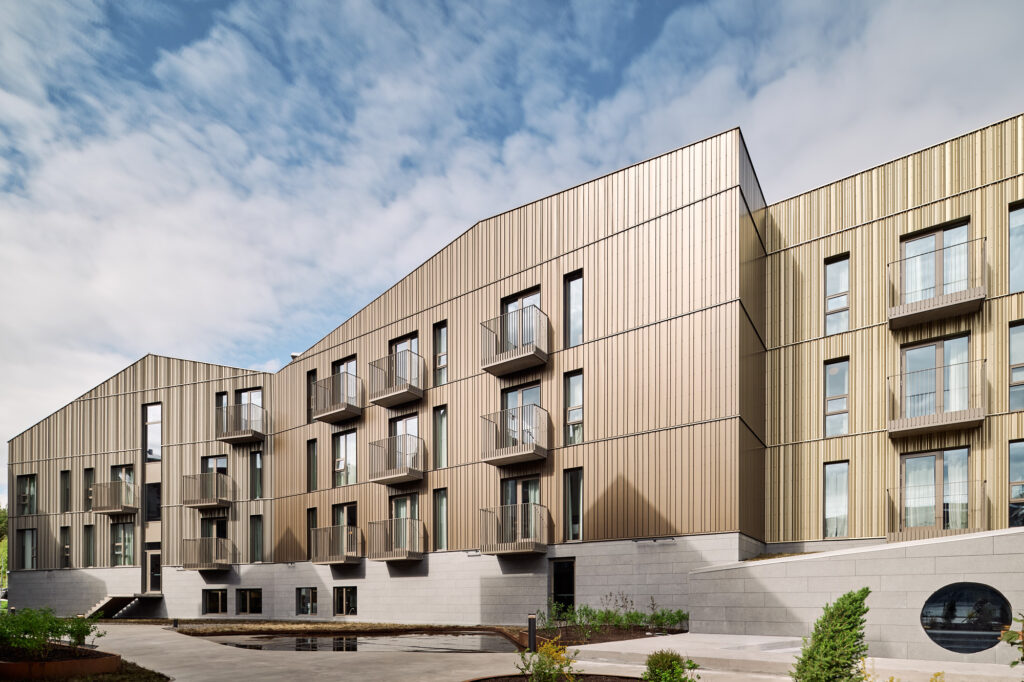
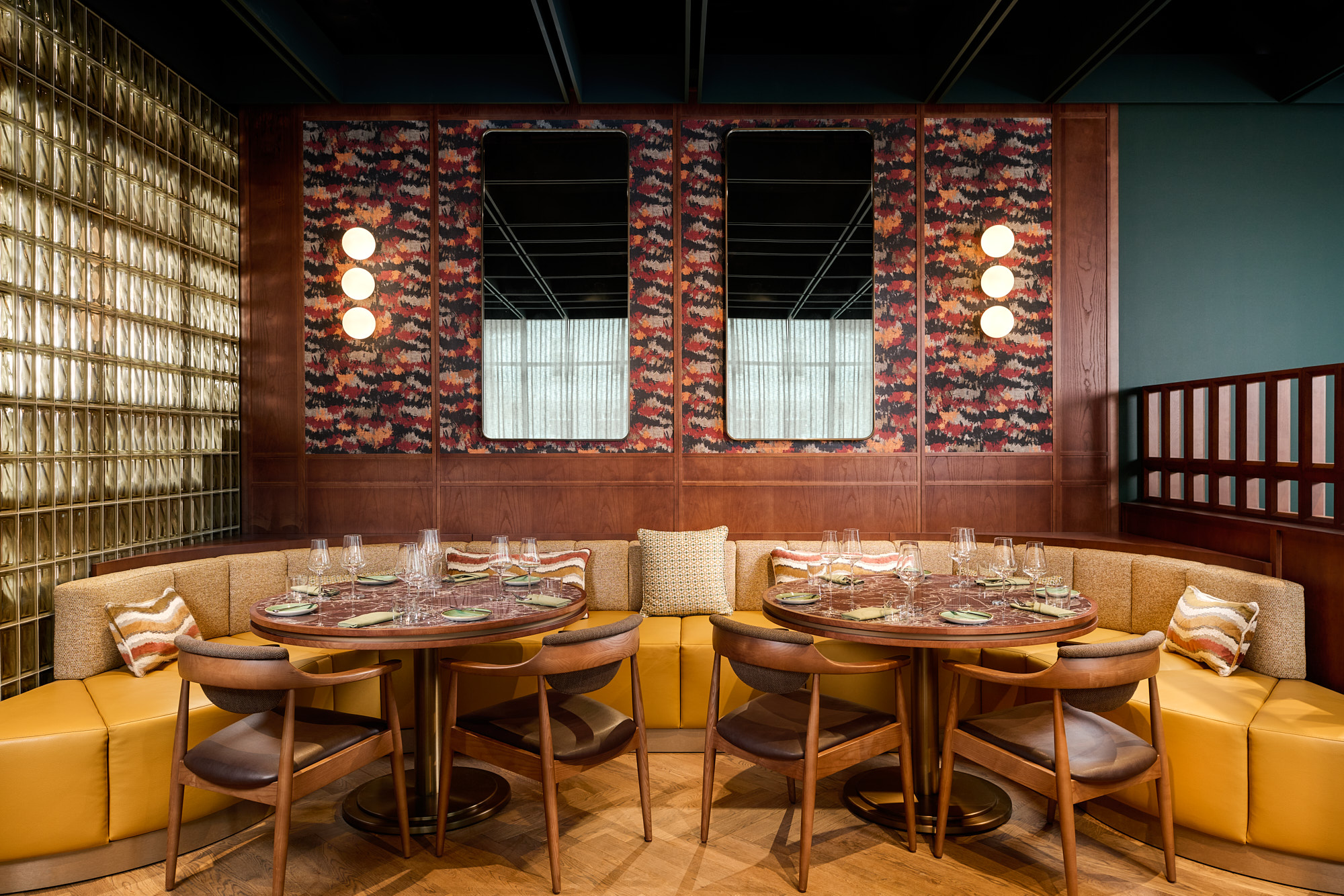
The opening images establish a sense of place, allowing the viewer to understand where the hotel belongs before stepping inside. They introduce the relationship between the building, the colourful streets of Akureyri and the landscape of northern Iceland, creating the same first impression that guests experience on arrival.
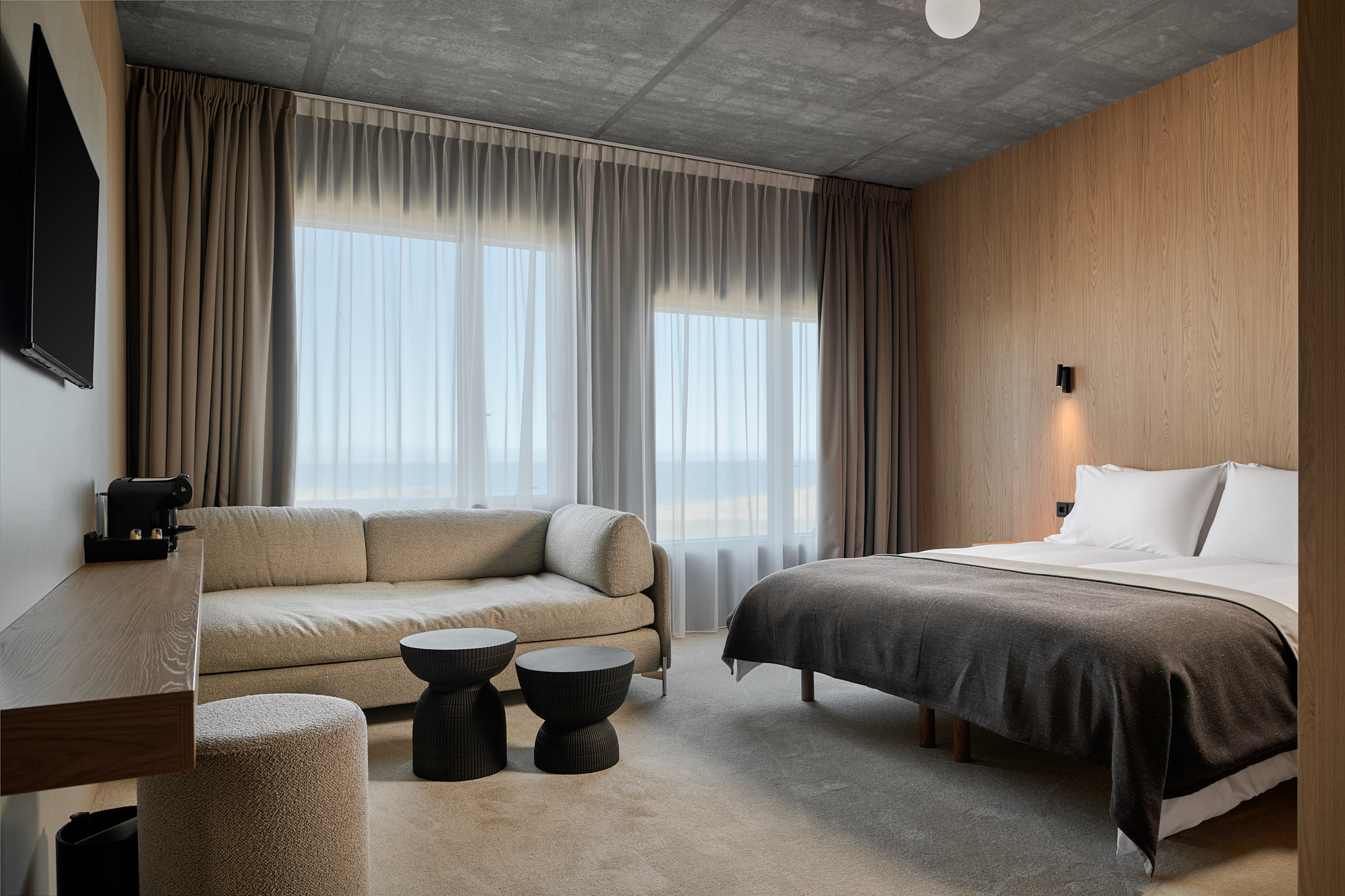
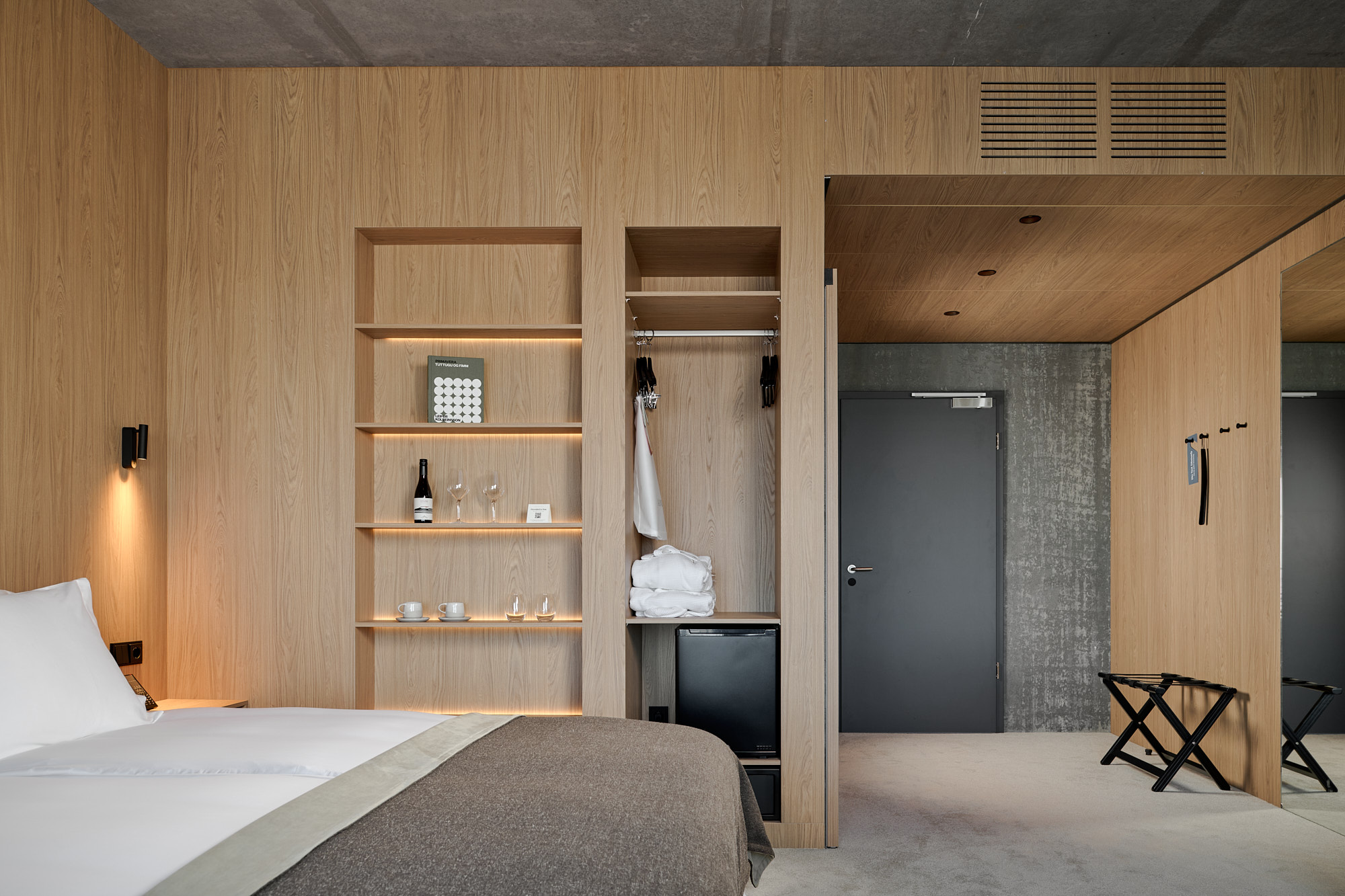
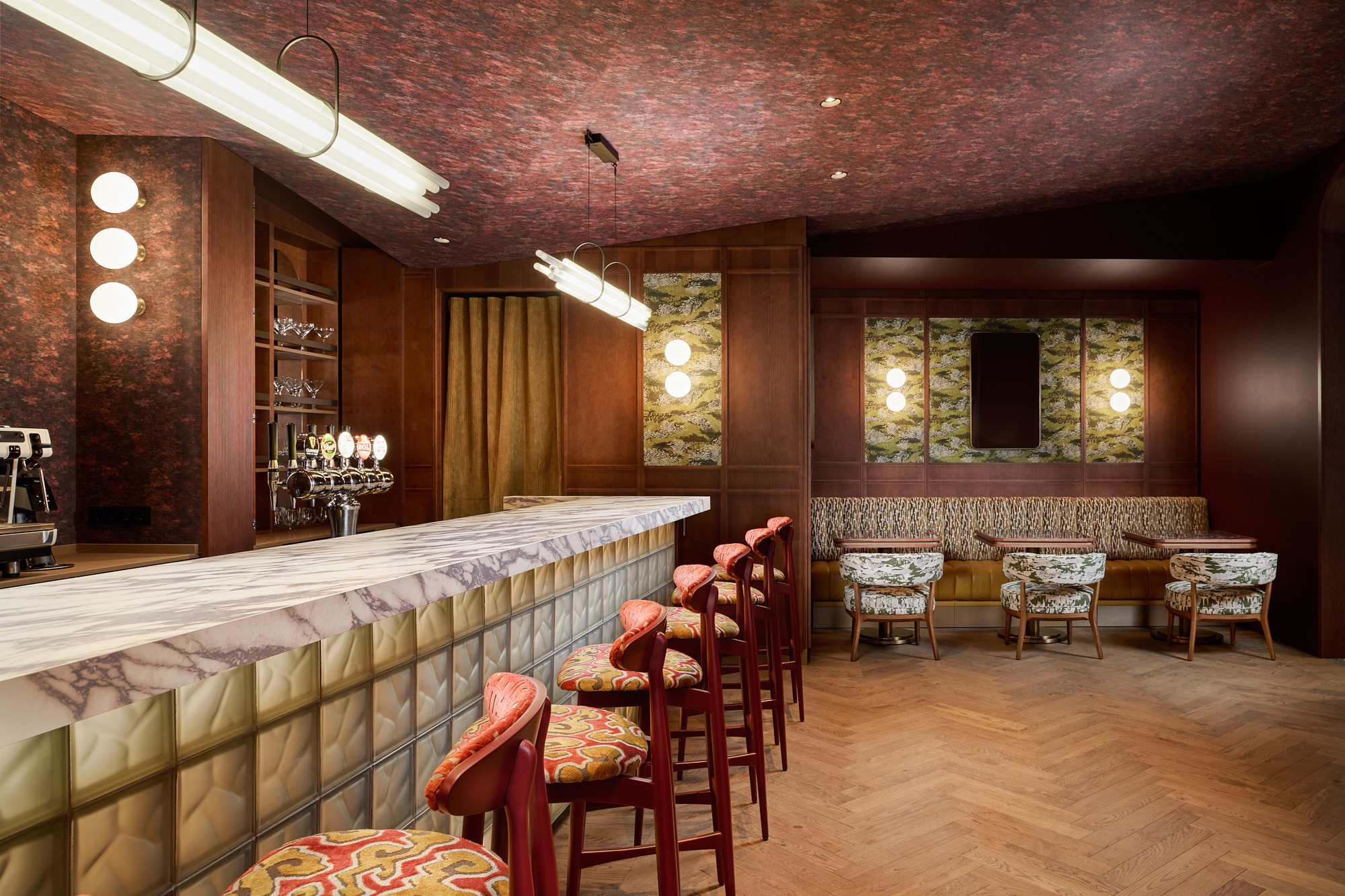
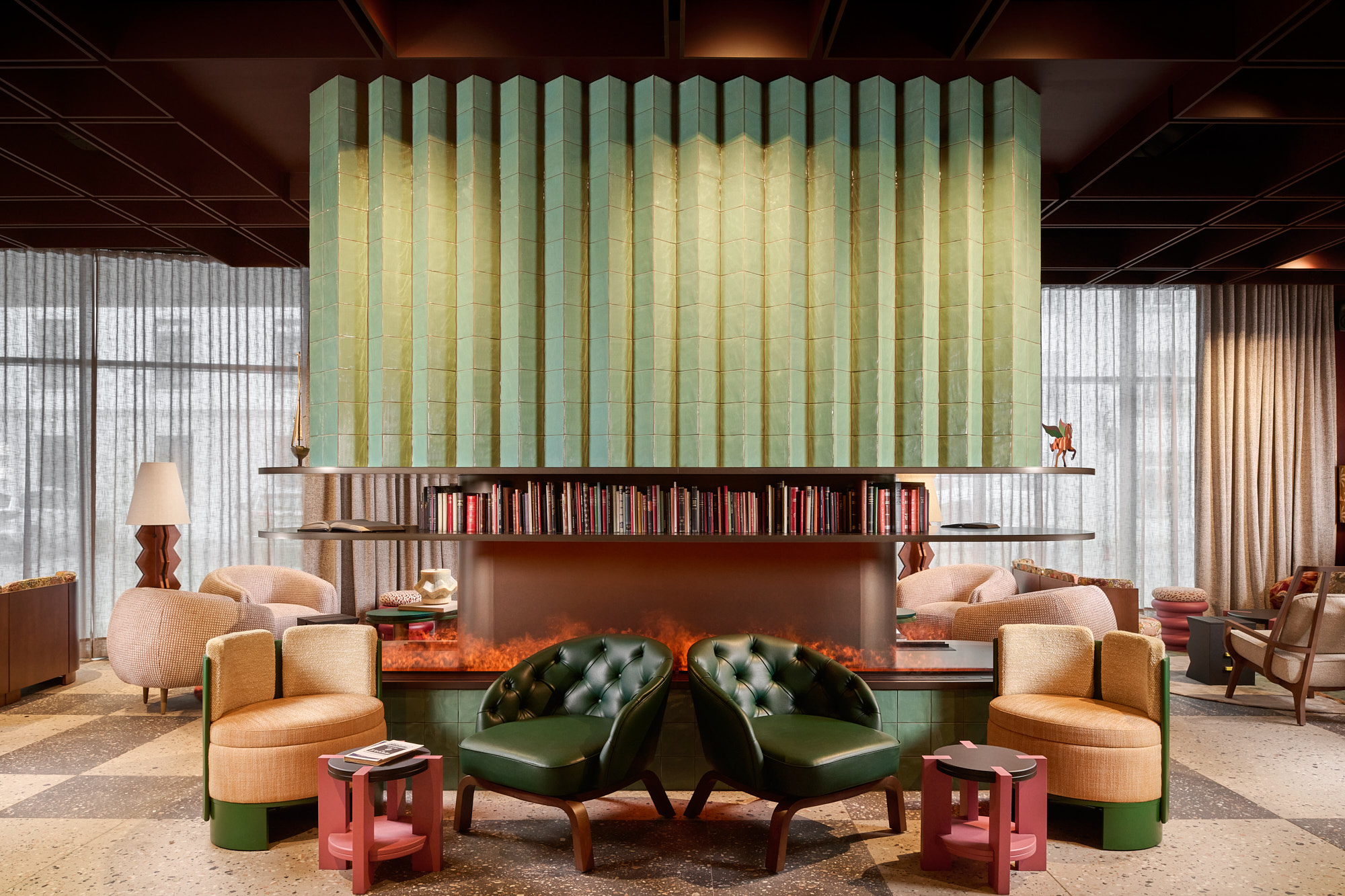
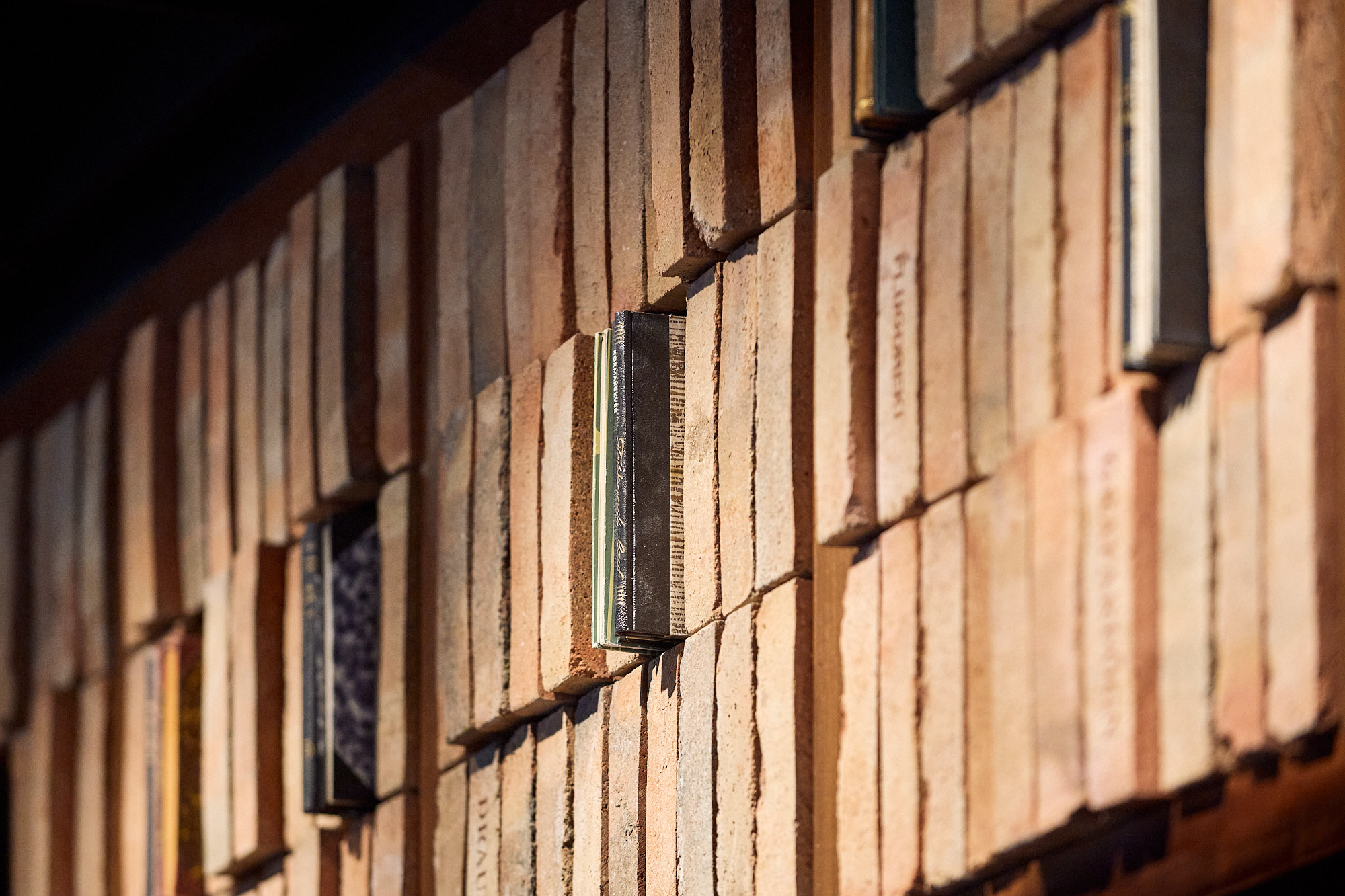
From there, the visual story gradually moves indoors. Wide architectural compositions reveal how the spaces connect, while more intimate photographs draw attention to carefully selected materials, craftsmanship and the details that define the hotel’s character. Rather than competing for attention, each image builds naturally on the previous one, creating a gallery that feels coherent, immersive and effortless.
Natural light became one of the defining elements of the project. Rather than imposing a photographic style, I wanted the images to remain faithful to the character of the hotel itself. Waiting for the right conditions allowed the architecture to reveal its own warmth, texture and atmosphere without unnecessary intervention.
Creating a Gallery That Feels Like a Stay
Looking back at the completed gallery, what matters most isn’t any individual photograph. It’s whether the collection succeeds in communicating the character of the hotel as a whole.
Some images establish context. Others celebrate craftsmanship. Others simply create a feeling. Together, they allow potential guests to experience the atmosphere of the property long before they arrive.
For me, Skáld Hotel perfectly illustrates the philosophy behind this article. Great hotel photography doesn’t invent a story, create value or make a hotel appear different from reality. Its role is to reveal what already exists — to communicate the care, quality and vision that architects, designers and hotel owners have invested in creating.
When that happens, photography becomes much more than marketing material. It becomes the first chapter of the guest experience, connecting the completed hotel with the people it was designed to welcome.
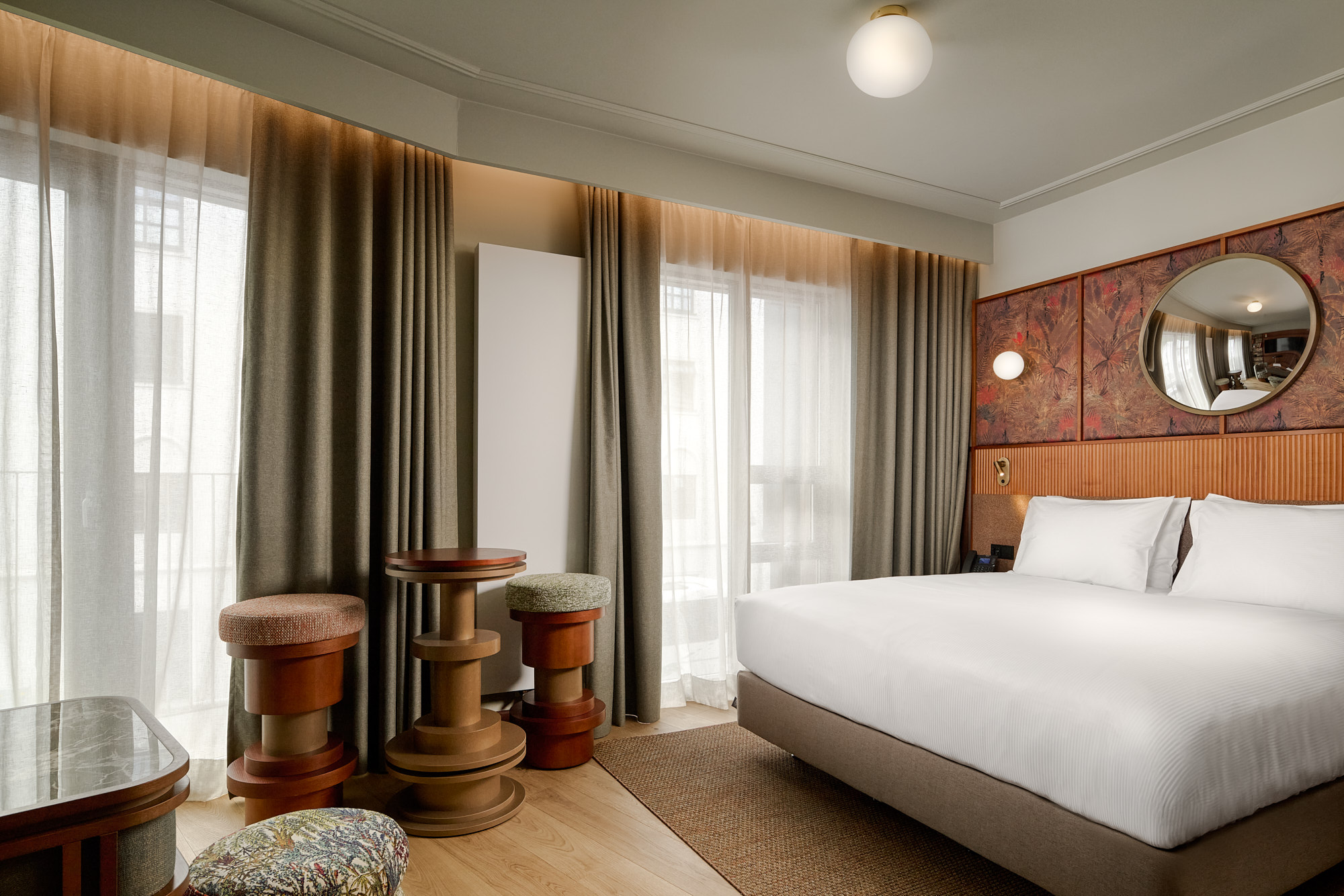
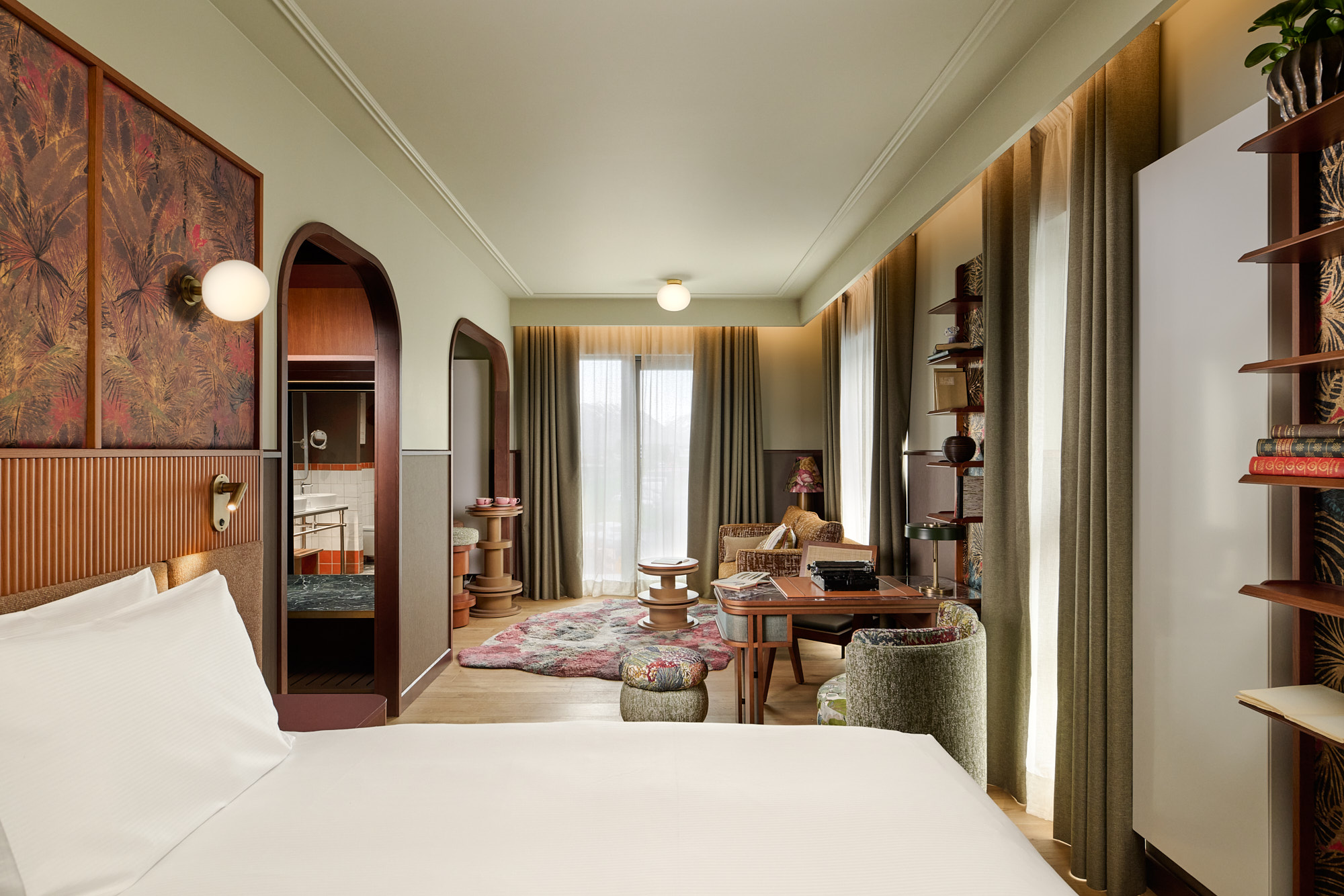
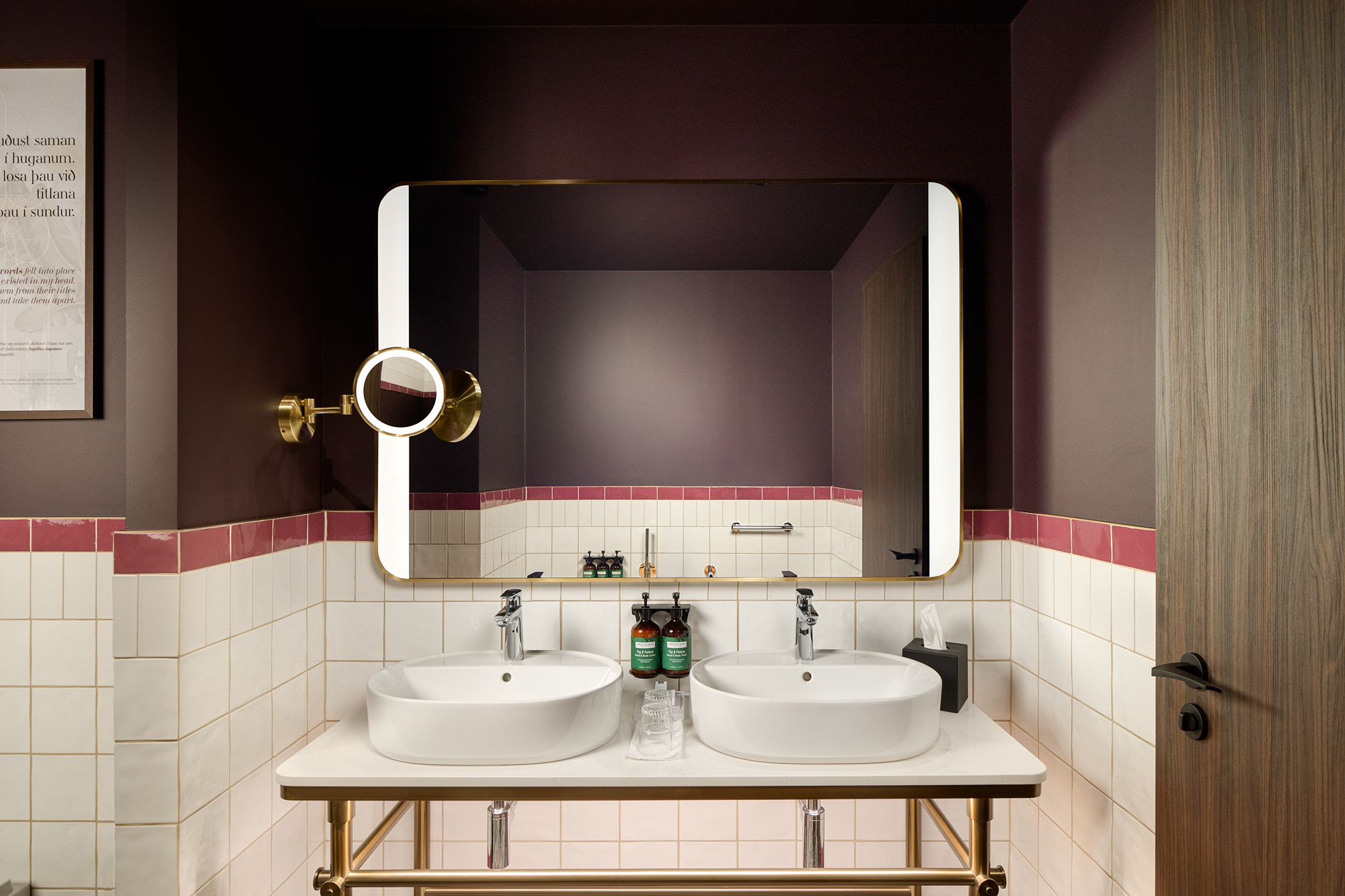
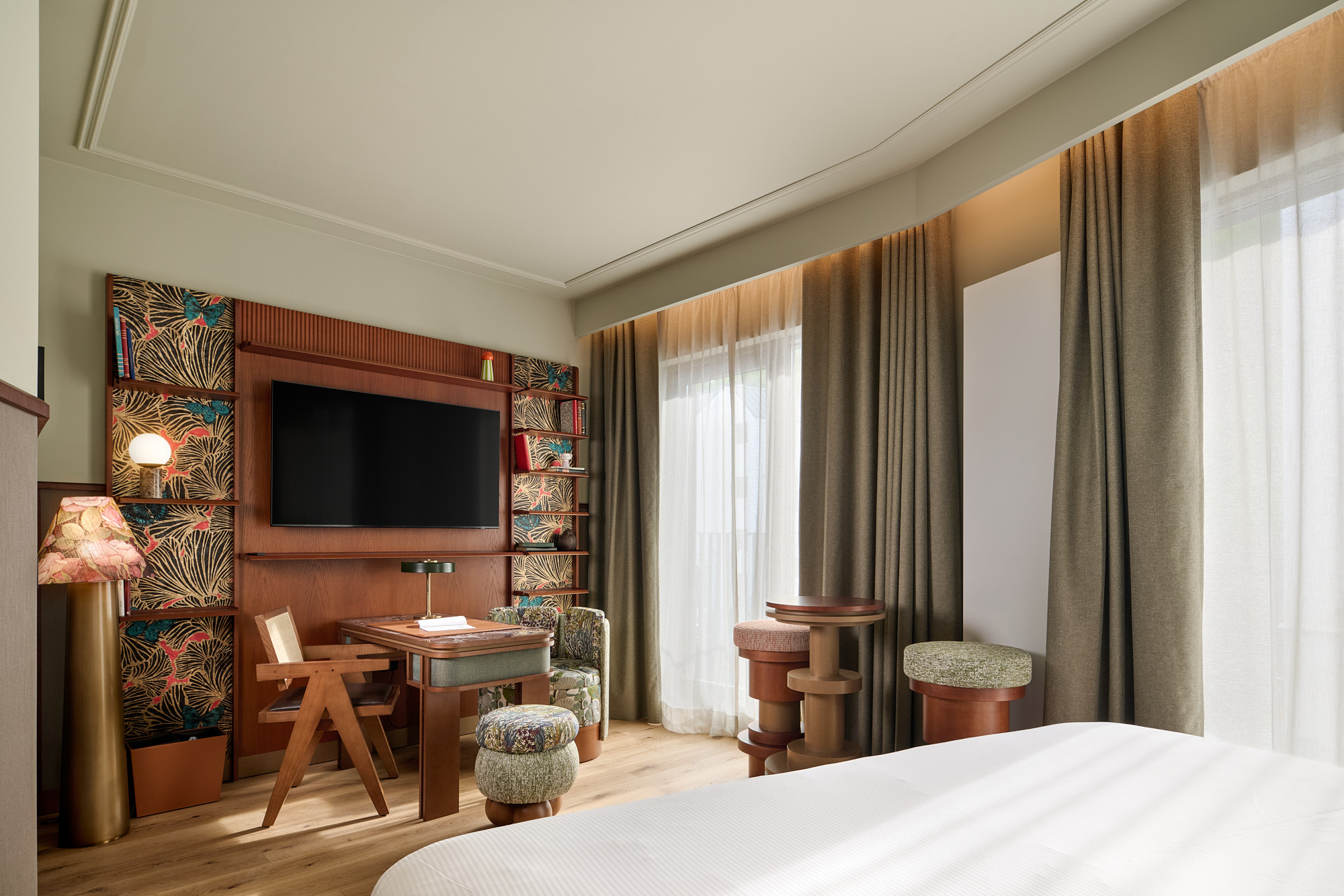
Skáld Hotel reinforced something I’ve come to believe after photographing many hospitality projects. The most successful images are rarely the ones that try hardest to impress. They are the ones that remain faithful to the character of the place and allow future guests to imagine themselves there.
For me, that’s where architectural hotel photography creates its greatest value. It doesn’t invent an identity or make a hotel appear different from reality. It reveals the qualities that already make the property exceptional and ensures they are recognised before a guest ever arrives.
A Final Reflection
Every hotel reaches a moment when the work of the architects, designers and craftsmen is complete. From that day forward, the way people discover the property changes. Most travellers won’t experience the hotel by walking through its doors first. They’ll experience it through a screen.
After photographing hotels over the years, I’ve realised that every project ultimately comes down to four questions.
What makes this hotel different? What should future guests see first? How can the gallery recreate the experience of staying there? And do the final photographs truly reflect the standard the hotel has worked so hard to achieve?
The answers are never the same. Every hotel has its own story, its own architecture and its own identity. My role is not to invent those qualities or make them appear more luxurious than they really are. It’s to recognise them, understand them and translate them into images that feel authentic, memorable and true to the experience guests will have when they arrive.
A photograph can never replace great architecture, thoughtful design or exceptional hospitality. What it can do is reveal their value to people who haven’t yet experienced them. In a world where first impressions are increasingly made online, that responsibility should never be underestimated.
For me, that’s what professional hotel photography is really about. It’s not simply documenting a finished building. It’s helping potential guests feel its character before they ever arrive, and allowing the work of everyone involved in creating the hotel to be seen in the way it deserves.