
Luxury in Iceland is defined less by labels and more by atmosphere, privacy, and design. Guests choosing a high-end stay are not just booking a room – they are booking light, silence, landscape, and spatial quality. Long before arrival, their decision is shaped visually.
In the world of 5-star hotel photography and high-end hotel photography, perception is everything. Images determine whether a property feels exclusive, calm, and aligned with its rate – or simply expensive. For Icelandic luxury hotels, where architecture often meets open land, geothermal water, or dramatic coastlines, visuals must do more than document. They must translate experience.
Whether it is luxury resort photography for a remote wellness retreat or urban luxury hotel photography in Reykjavík, strong images communicate the warmth of materials against winter light, the balance between structure and landscape, and the quiet of a private suite at dusk. These are the details that help guests understand not only what the hotel offers, but what defines its level of luxury.
Why Photos Shape the Luxury Experience Before Arrival
For luxury hotels, the booking decision begins with perception. Guests scroll, compare, and evaluate through images long before they read room descriptions or amenities. In ultra-luxury hotel photography, the role of visuals is not to inform first – it is to position.
Luxury travellers are highly visual. They assess atmosphere, material quality, spatial calm, and privacy within seconds. A single image can communicate refinement, while a poorly handled one can reduce a five-star property to something ordinary. This is why high-end hotel photography is less about decoration and more about precision – light, proportion, and restraint matter.
In Iceland, this effect is amplified. The destination itself is built on landscape, contrast, and sensory experience. Guests expect a seamless connection between architecture and environment. If the hotel sits near geothermal water, mountains, or open coastlines, that relationship must be visible immediately. Strong luxury hotel interior photography and architectural hotel photography help guests understand how design and nature coexist.
Before arrival, images create emotional alignment. They allow future guests to imagine waking up in soft Nordic light, stepping into a quiet spa, or watching weather move across the landscape from a private suite. In this sense, photography becomes part of the luxury experience itself – shaping anticipation, reinforcing value, and setting expectations long before the stay begins.
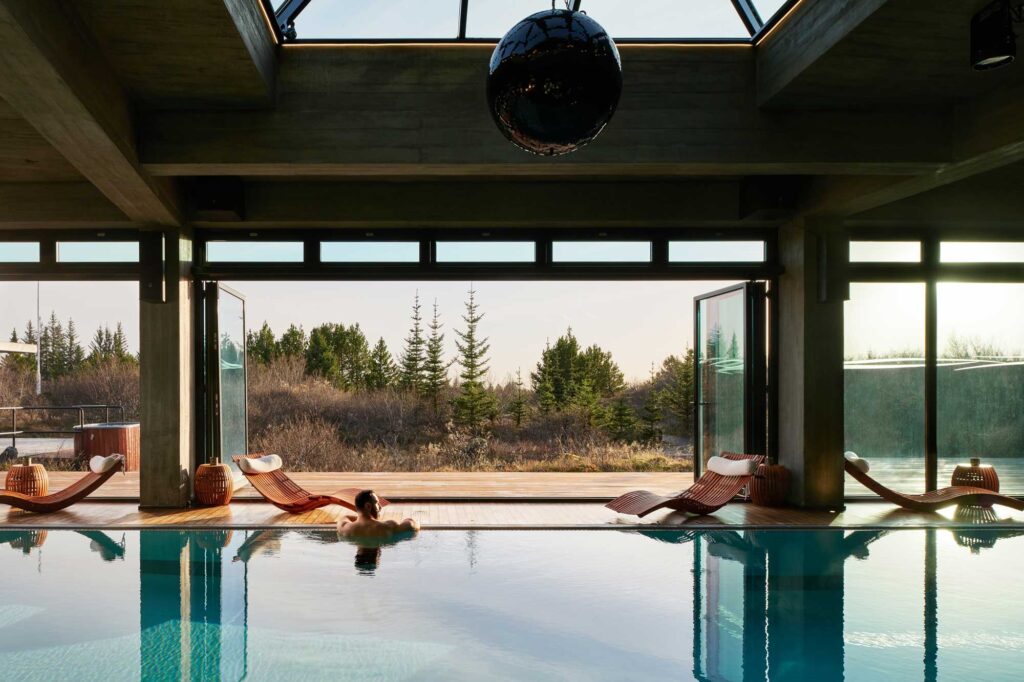
What Guests Expect From a Luxury Hotel in Iceland
When travellers search for a luxury hotel in Iceland, their questions are simple but decisive: Will it be comfortable? Is it quiet? What does the room really look like? Is the view worth it?
Luxury today is not defined by star rating, it is rather measured through atmosphere, privacy, materials, and spatial quality. In Iceland – where landscape dominates and architecture is often restrained – expectations revolve around how the space feels rather than how much it displays.
Photography becomes the first answer to these questions.
Comfort, Warmth, and Relaxation
Guests booking a high-end stay want to see comfort immediately. They look for softness in the lighting, warmth in the materials, and space around the furniture. A luxury room should not feel crowded or decorative – it should feel calm.
In 5-star hotel photography and luxury hotel interior photography, this means working with layered, natural light and allowing materials like wood, stone, and textiles to read clearly. The bed must look inviting without being staged. Seating areas should suggest pause and quiet, not just layout.
If the image communicates stillness and ease within seconds, it has already done part of the work.

Exceptional Cleanliness and Attention to Detail
Luxury guests assume high standards. What they look for in images is confirmation.
Sharp lines, balanced exposure, uncluttered surfaces, and accurate colour all signal maintenance and care. In premium hotel photography, precision is not optional. Small visual inconsistencies – uneven alignment, heavy shadows, distracting objects – subtly weaken perception.
When the room appears ordered and thoughtfully arranged, guests interpret it as professionally managed and reliable. In high-end hotel photography, discipline is often more persuasive than spectacle.
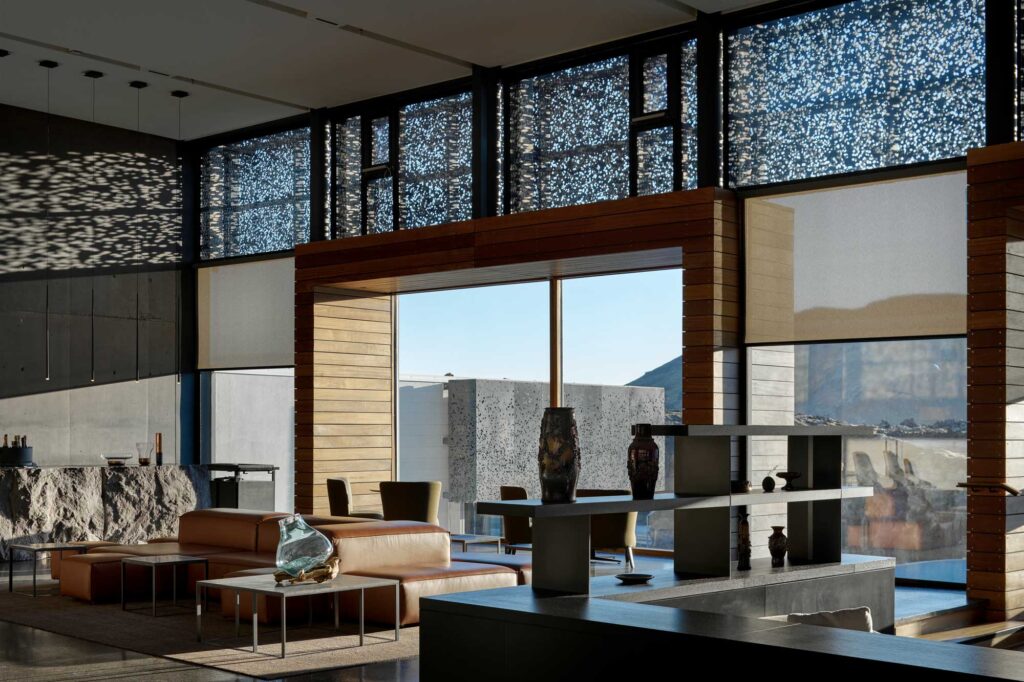
Spacious Rooms and High-End Features
Travellers considering an exclusive hotel want to understand scale and flow. They want to see how the room is organised, how much space surrounds the bed, how the bathroom relates to the main area.
Wide compositions explain layout. They show breathing room and proportion. Close details then reinforce quality – premium finishes, crafted materials, carefully selected furniture.
In contemporary luxury hotel photography, this balance between space and detail defines perceived value. Too many close-ups feel decorative. Too many wide shots feel impersonal. The right rhythm allows guests to imagine themselves moving naturally through the suite.

Views, Light, and Connection to Nature
In Iceland, the view is rarely secondary. Guests actively search for it.
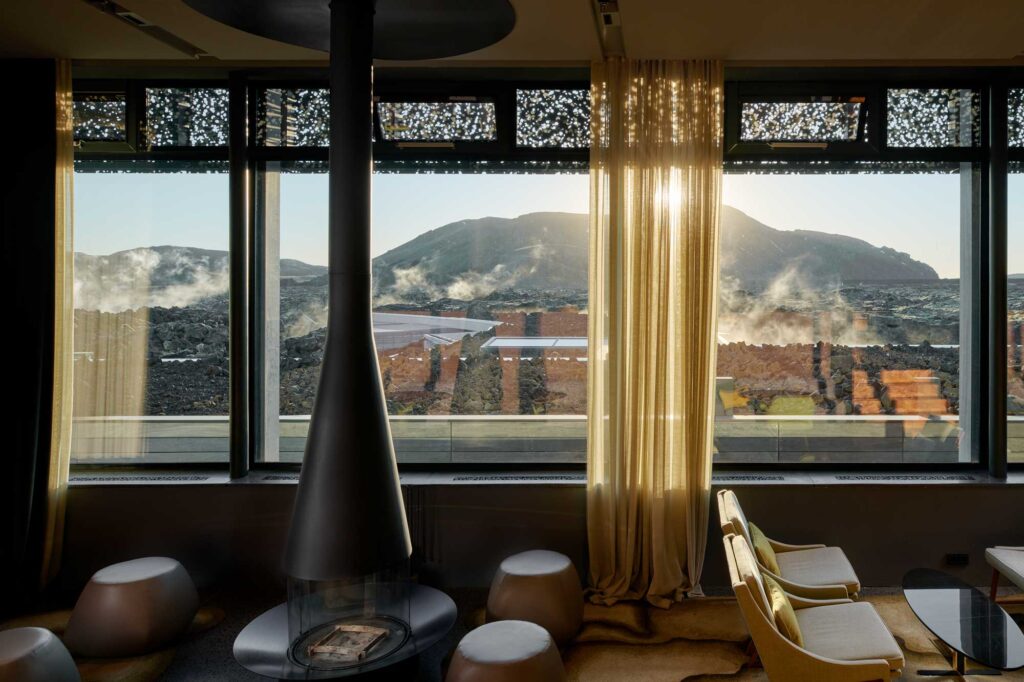
They want to see mountains framed by windows, fjords beyond balconies, or geothermal terrain just outside the room. Mountain luxury hotel photography and coastal luxury resort photography must handle this with realism and care.
Timing becomes critical. Clean morning light or controlled evening tones allow landscape and interior to coexist without overexposure or artificial enhancement. The goal is not exaggeration, but clarity – to show what guests will genuinely wake up to.
Luxury in Iceland is often defined by silence, horizon, and distance. Photography must show that without dramatizing it.
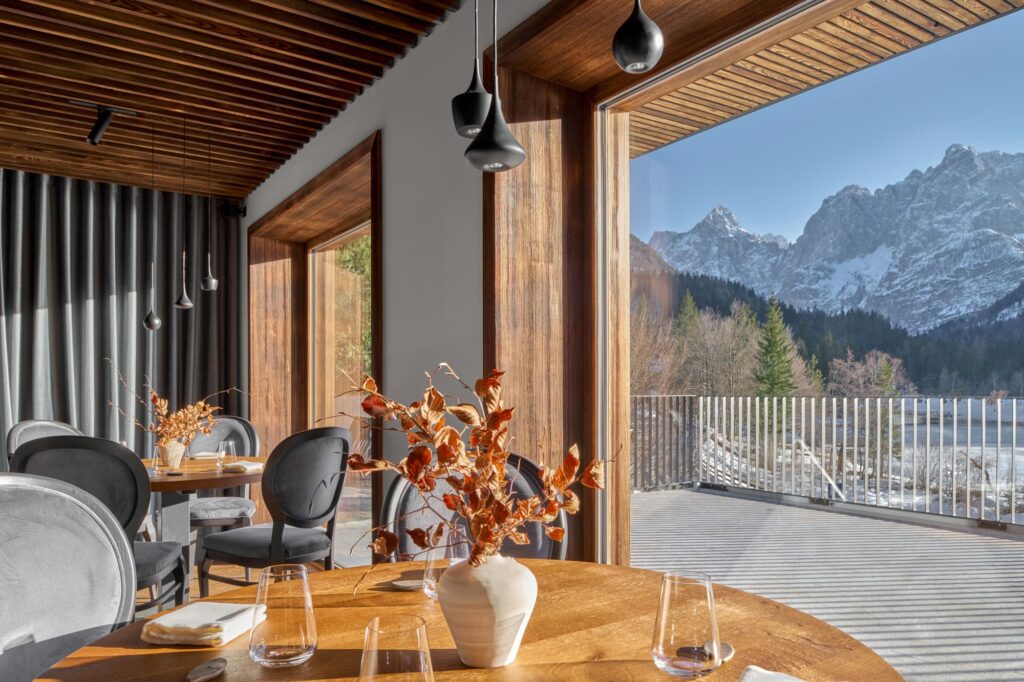
Spa, Wellness, and Dining Experiences
Many Icelandic properties position themselves as luxury wellness resort destinations. Guests expect calm spa areas, geothermal pools, and thoughtful dining environments.
In luxury wellness resort photography and destination spa photography, atmosphere matters more than drama. Water should look clear and inviting. Light should feel warm but natural. Spaces should appear serene, not theatrical.
The same applies to restaurants. In high-end hotel marketing photography, the room is as important as the dish. Natural light on tables, comfortable spacing, and a sense of quiet refinement communicate quality more effectively than over-styled presentation.
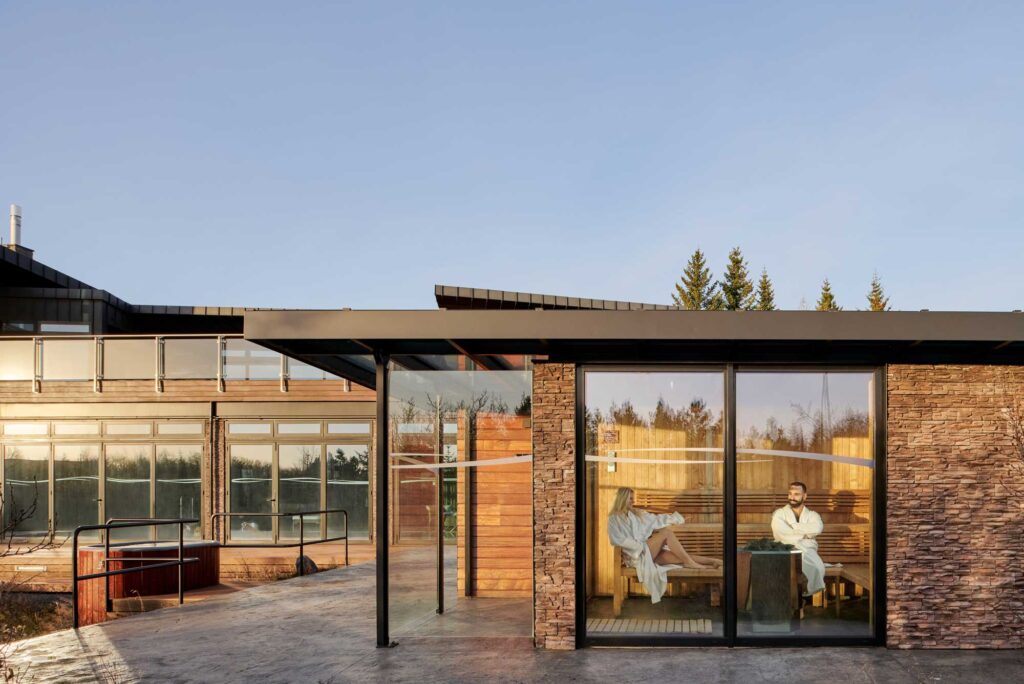
Across all of these elements, luxury guests are not simply looking for decoration. They are evaluating coherence – whether design, materials, light, and landscape align.
Strong luxury hotel photography does not push excess. It reveals clarity, proportion, and atmosphere. In Iceland especially, it must show how architecture and environment support one another – quietly and precisely.
How a Hotel Photographer Translates the “Worth It” Factor Into Perceived Value
Luxury guests never ask, “Is this cheap?“
They ask, “What makes this place special?”
The difference matters.
At high-end level, price is interpreted through perception. Guests look at images and decide whether the experience feels aligned with the rate. A hotel photographer plays a key role in shaping that perception.
Showing Intention, Not Decoration
Perceived value begins with clarity. When photography shows that every material, line, and space feels intentional, the hotel appears curated rather than assembled.
Balanced compositions, controlled light, and disciplined framing communicate that the design is thoughtful. This signals refinement. It tells the viewer that nothing is accidental – and that detail extends beyond what is visible in the frame.
Luxury is rarely loud. It is controlled.


Making Space Feel Confident
In luxury hotel photography, empty space is powerful. Breathing room around furniture, wide passages, and uninterrupted sight lines suggest exclusivity.
If a suite feels open and calm in an image, it communicates privacy and comfort without saying so directly. Guests subconsciously associate spatial clarity with higher value.
This is where high-end hotel photography differs from standard hospitality imagery. It avoids visual clutter and instead allows architecture to speak.


Aligning Design With Landscape
In Iceland especially, value is tied to setting. When photography shows how architecture sits within lava fields, open coastlines, or mountain backdrops – without exaggeration – it reinforces authenticity.
If a hotel appears naturally integrated into its surroundings, it feels rare. Rarity supports pricing.
The “worth it” factor often lives in this relationship between structure and nature. When it is translated carefully, the rate feels justified.
Capturing the Moment
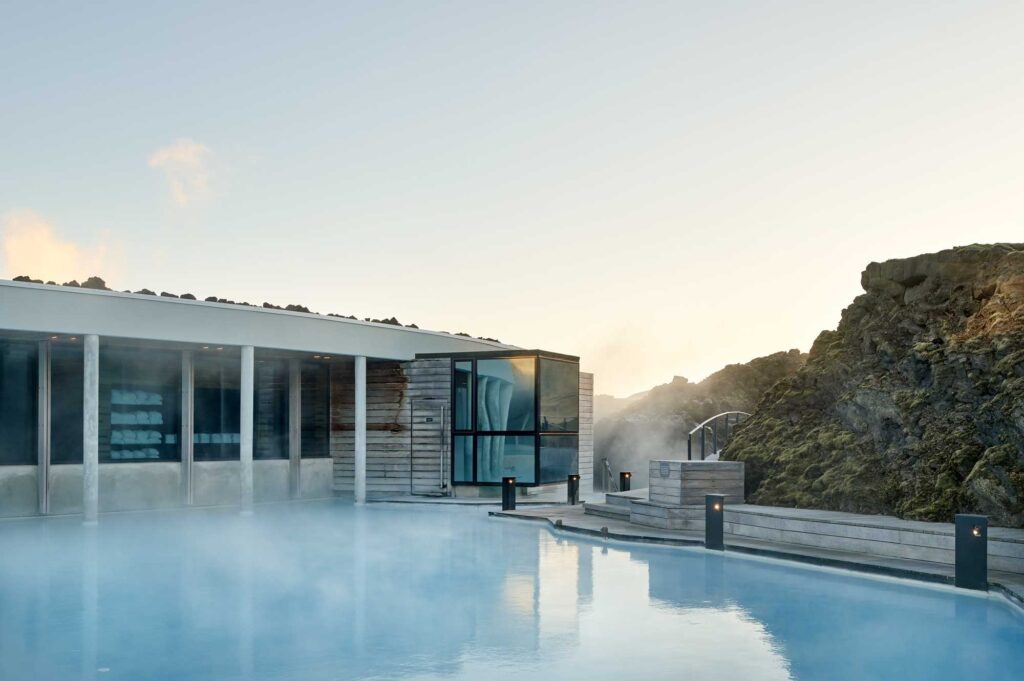
Perceived value is often emotional. A quiet morning light entering a suite. Steam rising from a geothermal pool at dusk. A private balcony framed by horizon.
These moments do not need to be dramatic. They need to feel real and attainable.
When luxury hotel photography captures these subtle experiences with restraint, guests can picture themselves there. That emotional alignment reduces resistance to price.
Different Expressions of Luxury: Three Hotel Types, Three Visual Approaches
Luxury in Iceland does not follow one formula. It can take the form of refined urban design, secluded rural privacy, or immersive geothermal wellness. Each setting requires a different photographic approach, because the meaning of “high-end” shifts with context.
Through these three projects, you can see how luxury hotel photography adapts to architecture, landscape, and guest expectations.
Urban Luxury Hotel Photography – The Reykjavik EDITION
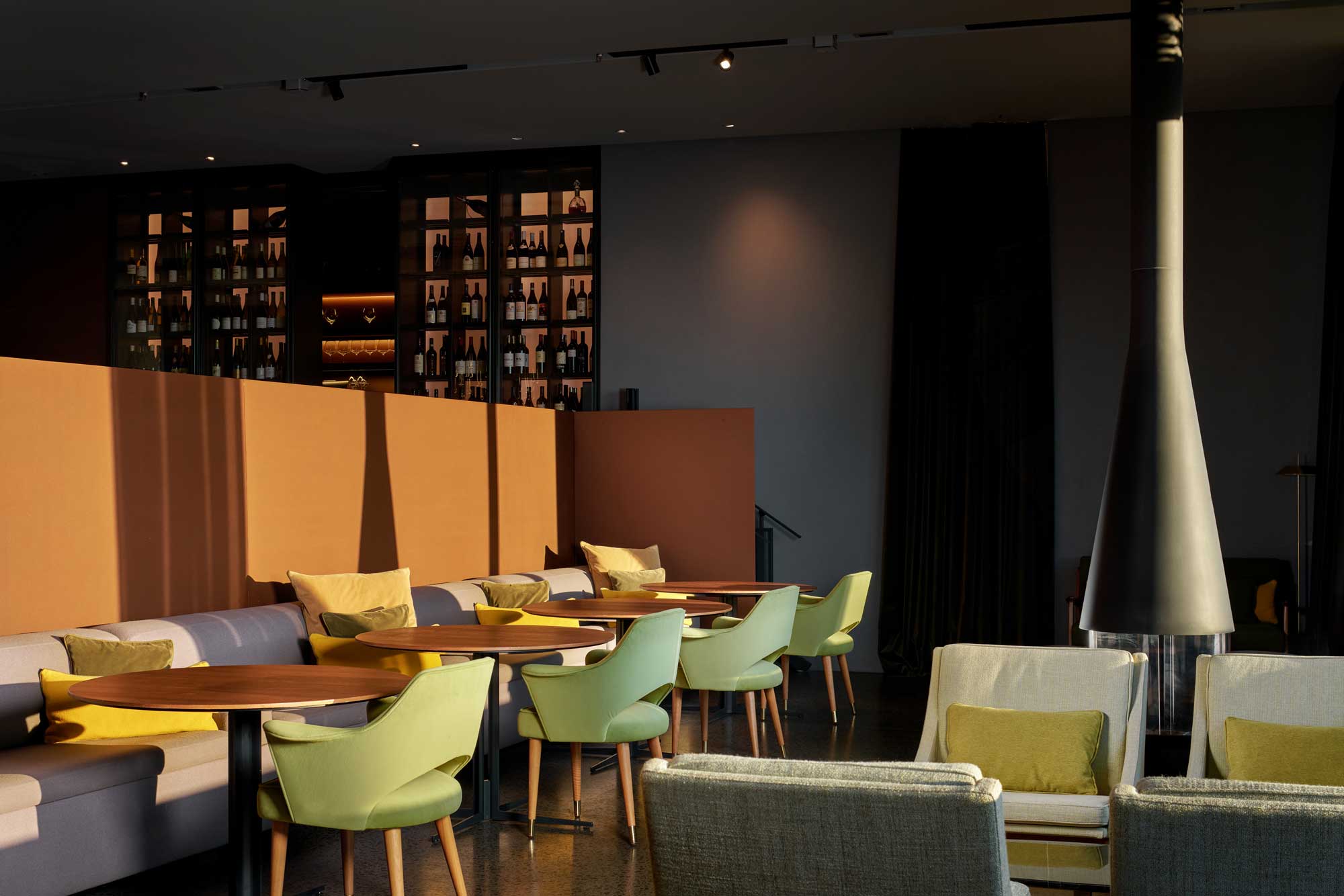
The Reykjavik EDITION represents contemporary urban luxury hotel photography at its most controlled and design-driven level. Located on Reykjavík’s waterfront, the hotel balances international refinement with Nordic material restraint.
Here, photography focuses on proportion, texture, and atmosphere rather than landscape dominance. Clean lines, curated interiors, and precise lighting communicate exclusivity. Large windows frame the city and distant mountains, but they do not overwhelm the composition. The relationship between inside and outside is measured and intentional.
In this context, high-end hotel photography becomes about refinement. The images must show that every detail — from stone surfaces to furniture placement — is deliberate. Urban luxury guests are not seeking isolation; they are seeking polish, design coherence, and a calm retreat within the city.
The role of photography is to express that precision without exaggeration.


Boutique Villa Resort Photography – Hvitárnes Luxury Villa
Hvitárnes represents a different kind of luxury: quiet, private, and deeply connected to open land. This is closer to boutique hotel photography or villa resort photography, where exclusivity comes from space and discretion rather than scale.
The surrounding fields and distant mountains are not dramatic landmarks; they are part of a slower rhythm. In photographing Hvitárnes, wide compositions and soft light were essential to communicate stillness. Interiors were framed in relation to exterior views, reinforcing the sense that the landscape is always present.
Here, luxury is defined by privacy and atmosphere. The images avoid spectacle and instead emphasise breathing room, warmth, and continuity between interior and exterior. Guests choosing this type of accommodation are looking for seclusion and calm, and photography must make that immediately perceptible.


Luxury Wellness Resort Photography – The Retreat at Blue Lagoon
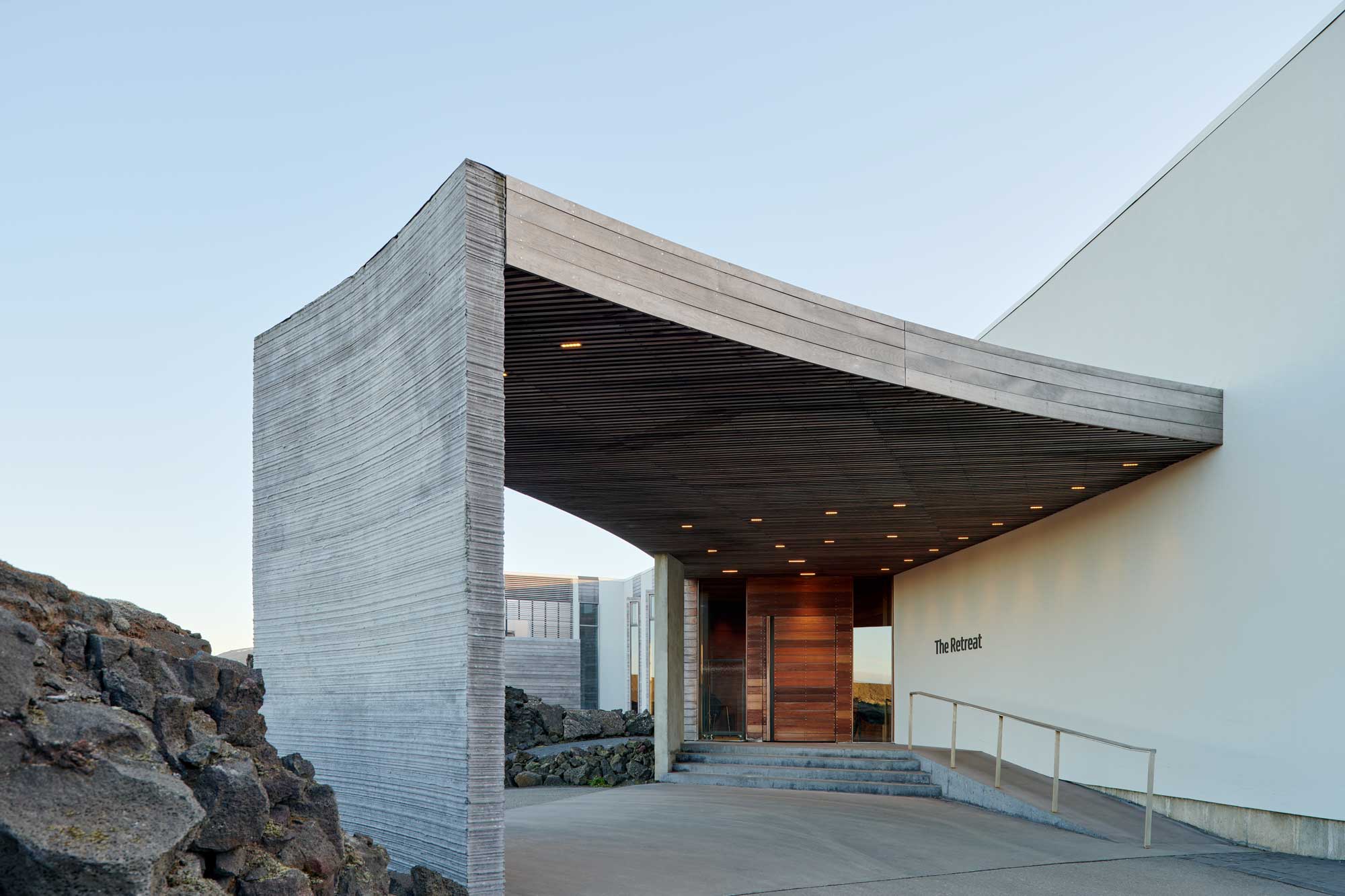
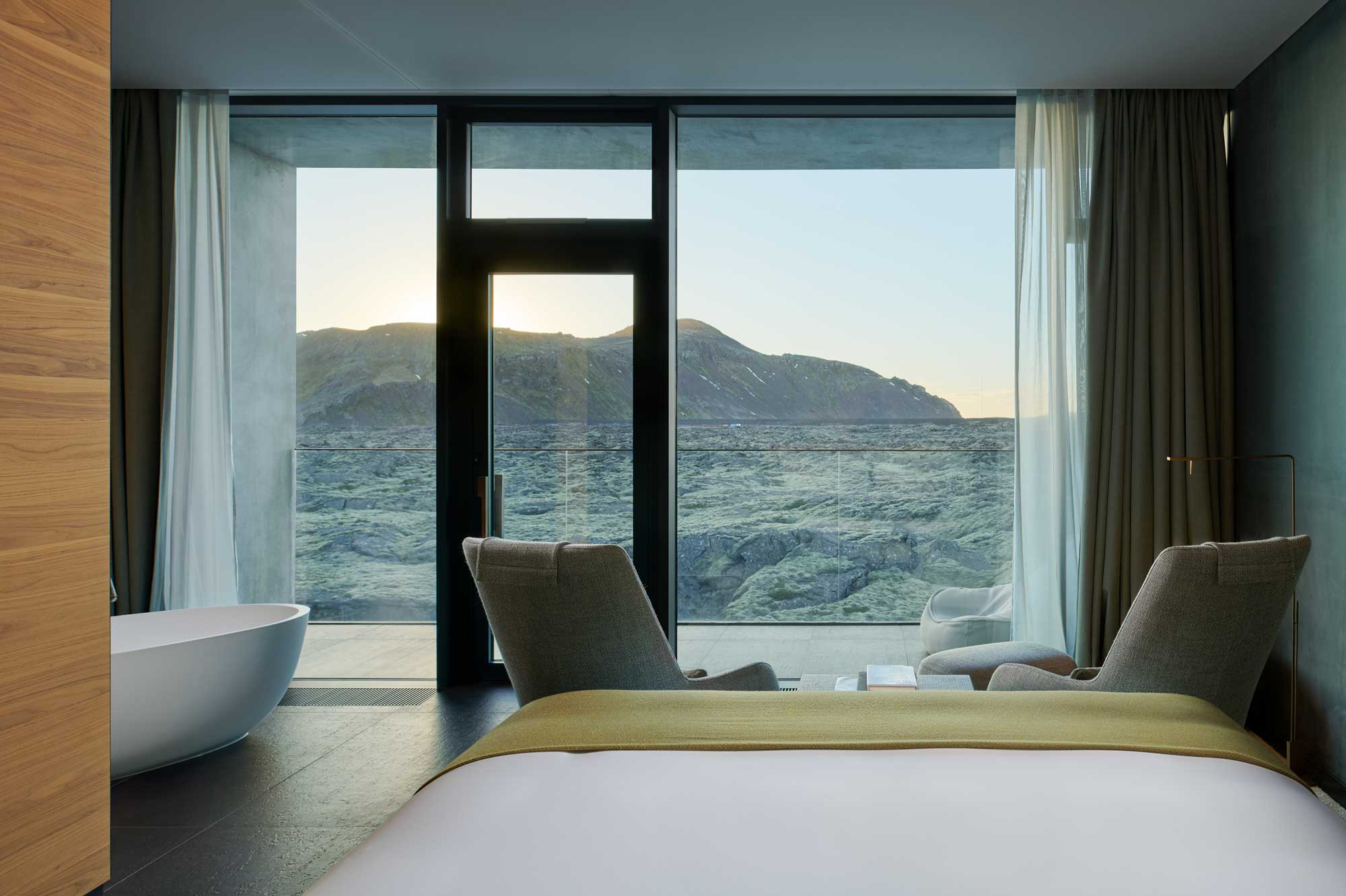
The Retreat Hotel requires yet another approach. Built into an ancient lava field, this property represents luxury wellness resort photography and destination spa photography at a highly experiential level.
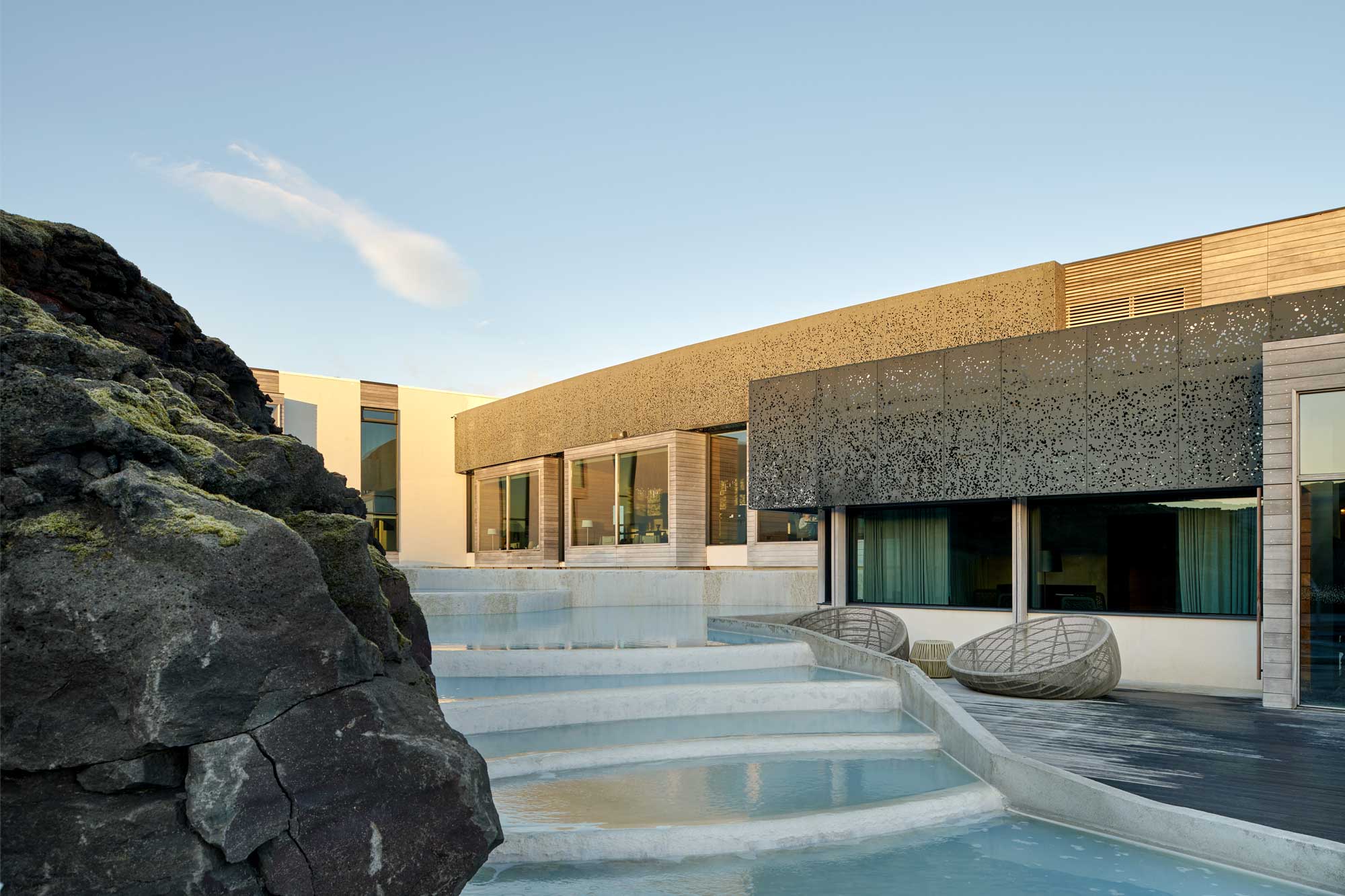
Architecture, geothermal water, and volcanic terrain are inseparable. Photography must show how the building emerges from the lava rather than sitting on top of it. Low-contrast light, controlled exposure, and restrained compositions help maintain a sense of quiet immersion.
Spa areas, private lagoons, and stone corridors are photographed to express enclosure and proximity to nature. The experience here is tactile — water, steam, texture, silence. Images must feel grounded and believable, not theatrical.
In this setting, luxury is not defined by decoration but by integration. The perceived value comes from how seamlessly architecture and geothermal landscape coexist.
What These Three Approaches Have in Common
Although these hotels differ greatly — urban luxury, secluded boutique villa, and geothermal wellness resort — the objective remains consistent: to translate atmosphere into perception.
Urban luxury hotel photography prioritises refinement and design clarity.
Boutique villa resort photography emphasises privacy and spatial calm.
Luxury wellness resort photography focuses on immersion and material connection.
In all cases, the purpose is the same: to help future guests understand what makes the stay distinctive before they arrive.
Strong Visuals Position Luxury Hotels in Digital Spaces
Today, luxury hotels are discovered long before a booking platform is opened. Instagram, brand websites, press features, and curated travel accounts shape perception first. In these spaces, photography does not support marketing — it is the marketing.
On social media especially, engagement is immediate and visual. A strong image stops scrolling. A weak one disappears. For high-end properties, this difference directly affects visibility, brand recognition, and long-term positioning.
Luxury hotel photography in Iceland must therefore work across formats: website headers, editorial spreads, social posts, and advertising campaigns. Images need to feel refined, consistent, and unmistakably aligned with the hotel’s identity. When the visual language is clear, the hotel becomes recognisable before its name is even read.
Strong visuals also help shape the narrative. They increase engagement, improve OTA click-through rates, and strengthen the performance of paid campaigns. They give marketing teams reliable material for newsletters, launch announcements, seasonal promotions, and press features.
For luxury hotels, this coherence is strategic. When website imagery, social content, and advertising visuals share the same tone and level of quality, the brand feels controlled and premium. This clarity supports stronger positioning and reduces the need to compete through discounts.
If you want your luxury hotel to stand out online and position itself clearly in the high-end segment, explore my work as a hotel photographer or get in touch to discuss your project. I work with luxury and boutique properties across Iceland, Greenland, Faroe Islands and Norway, creating images that strengthen visibility, engagement, and brand presence over time.


