
Hotels in Iceland operate in a market where images shape decisions long before prices or descriptions are considered. Guests compare many options quickly, often across booking platforms and hotel websites, and the first thing they respond to is what they see. If the photos are unclear, or outdated, interest drops immediately.
Iceland’s conditions make photography even more decisive. Light changes fast, weather affects mood and colour, and the surrounding landscape is often part of the hotel experience itself. Professional hotel photography helps translate these elements into clear images that show rooms, atmosphere, and setting in a way guests can trust. When done well, photography does not just attract attention, it supports confidence at the moment of booking.
How Photography Influences Booking Decisions
Photography has a direct impact on how often a hotel is booked and at what rate. Before reading room descriptions or policies, guests scan images to decide whether a place feels right for them. Strong visuals shorten decision time and remove friction in the booking process, which directly affects revenue.
Higher Conversion Rates on OTAs and Your Website
On booking platforms and hotel websites, guests compare many properties in seconds. Clear, well-lit photos help a hotel stand out in this crowded view.
Good images make rooms easier to read at a glance. Layout, size, light, and atmosphere become immediately clear, which lowers hesitation and shortens decision time. Industry data supports this: according to Expedia Partner Central, listings with high-quality images can receive up to 63% more bookings than those with poor or inconsistent visuals. When guests clearly understand what they are booking, they are far more likely to complete the reservation instead of continuing to compare options.
Strong photography also affects pricing power. Hotels that communicate quality and atmosphere clearly through images are better positioned to maintain their rates. When visuals do the work of reassurance, price becomes less of a barrier, and discounts are less necessary to stay competitive.
Direct Bookings and Lower Commission Costs
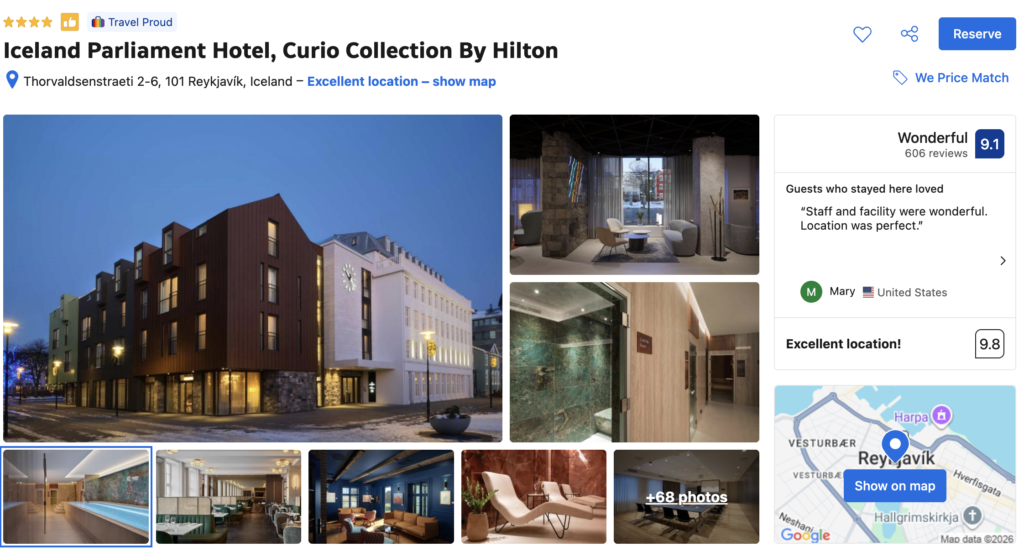
Professional photography matters even more for direct bookings, because your website is where credibility is either reinforced or weakened. Research on hotel websites shows that higher website quality strongly predicts trust, and that trust then supports booking intention.
If your site looks weaker than your OTA listing, many users will switch back to the platform simply because it feels safer and easier. When your own website shows the hotel with the same clarity and consistency, guests feel more comfortable booking direct – which reduces commission costs and gives you more control over communication before and after the stay.
Strong images also help outside the booking flow: they give you better material for social media, newsletters, and press requests, so your hotel can attract guests through your own channels, not only through third parties.
How Photography Shapes Expectations Before Arrival
For hotels, trust starts before a guest arrives. Photography plays a central role in shaping expectations and helping guests arrive with a clear understanding of what to expect. When images are clear and accurate, they reduce uncertainty and support a better overall experience.
Showing the Style and Mood
Hotels are not interchangeable. Some focus on calm and retreat, others on urban energy, family comfort, or refined luxury. Photography helps make this character visible.
Through light, framing, and pacing, images can express whether a space feels quiet or social, minimal or layered, intimate or expansive. Interiors, common areas, and details all contribute to this reading. When the mood is consistent across images, guests arrive with the right expectations and feel more connected to the place from the start.
Accurate Photos Reduce Complaints and Bad Reviews
Many guest complaints come from a mismatch between expectation and reality. Rooms that look larger than they are, colours that feel different in person, or views that are unclear often lead to disappointment, even if the stay itself is fine.
Honest photography helps avoid this. When room size, layout, materials, and views are shown clearly, guests arrive knowing what to expect. This leads to fewer complaints, better reviews, and a stronger reputation over time. Clear images also support front-desk staff, who spend less time managing misunderstandings after arrival.
Showing Cleanliness and Comfort
Guests often judge cleanliness and comfort visually before anything else. Details matter: tidy spaces, well-presented beds, clear surfaces, and balanced light all signal care and professionalism.
Good hotel photography does not need to exaggerate luxury. It needs to show order, maintenance, and attention to detail. When images communicate that a hotel is well cared for, guests approach the booking with fewer doubts and arrive more at ease.



What Makes Hotel Photography in Iceland Different
Many hotels in Iceland rely on outdated images or generic visuals that fail to communicate what makes the property distinct. In a market where landscape, architecture, and atmosphere matter, this is a missed opportunity.
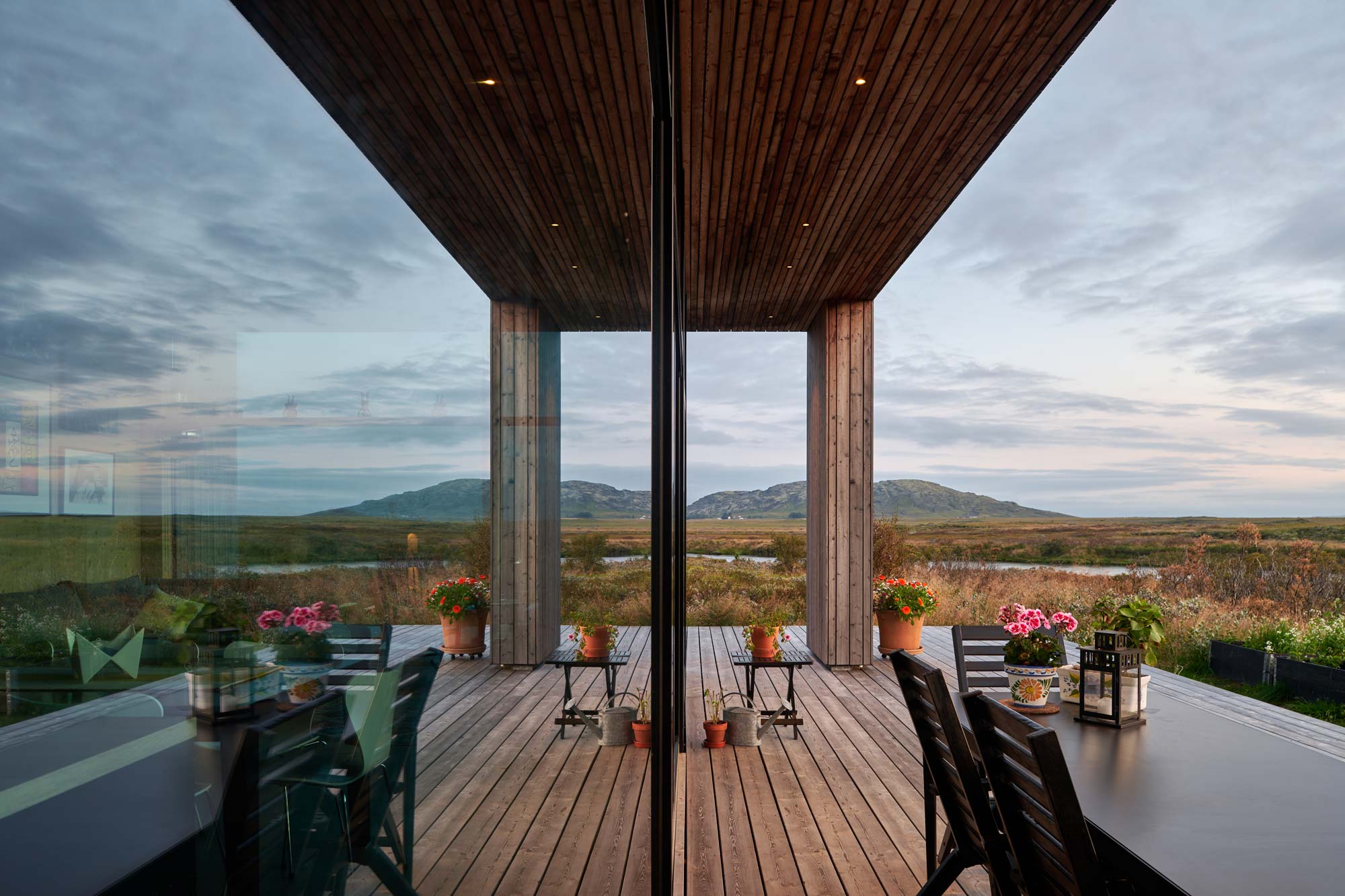
Clear images show not only rooms and facilities, but also how the building relates to its surroundings. When architecture, interiors, and landscape are shown together, the hotel feels grounded and specific rather than interchangeable. Knowing how to work with these elements is not optional. It is part of my job.
Working with Long Days, Dark Winters, and Fast Weather Changes
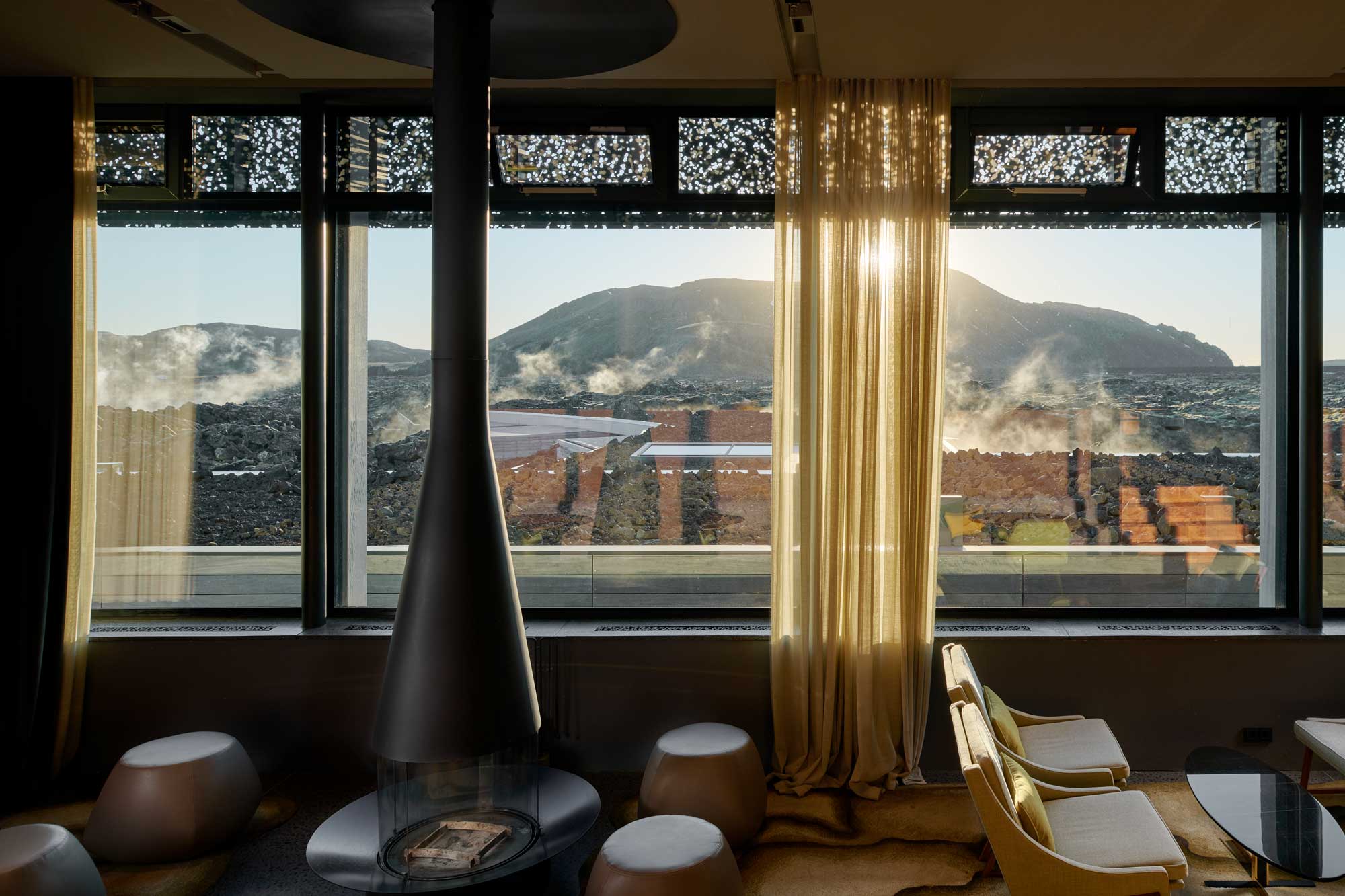
Summer brings very long days and soft, extended light, which can be ideal for showing space, colour balance, and landscape. Winter is the opposite: short daylight hours, low sun angles, and strong contrast between interior warmth and exterior darkness.
Weather can change within minutes. Clouds, rain, wind, or snow affect reflections, views, and exterior textures. A photographer familiar with Iceland knows when to wait, when to shoot, and when a different angle or sequence will work better. This experience helps avoid flat images or misleading views and ensures the hotel is shown at its best without losing realism.
Showing the Surroundings in a Realistic Way
Views are a major part of many hotels in Iceland, but they need to be handled carefully. A mountain, glacier, or open landscape can look dull if photographed at the wrong time or from the wrong position.
Local knowledge helps choose the right moment, season, and direction of light. It also helps decide how much of the surroundings to show, so the hotel feels connected to the landscape without exaggeration. The goal is not drama, but balance: clear views that feel true to the guest experience.
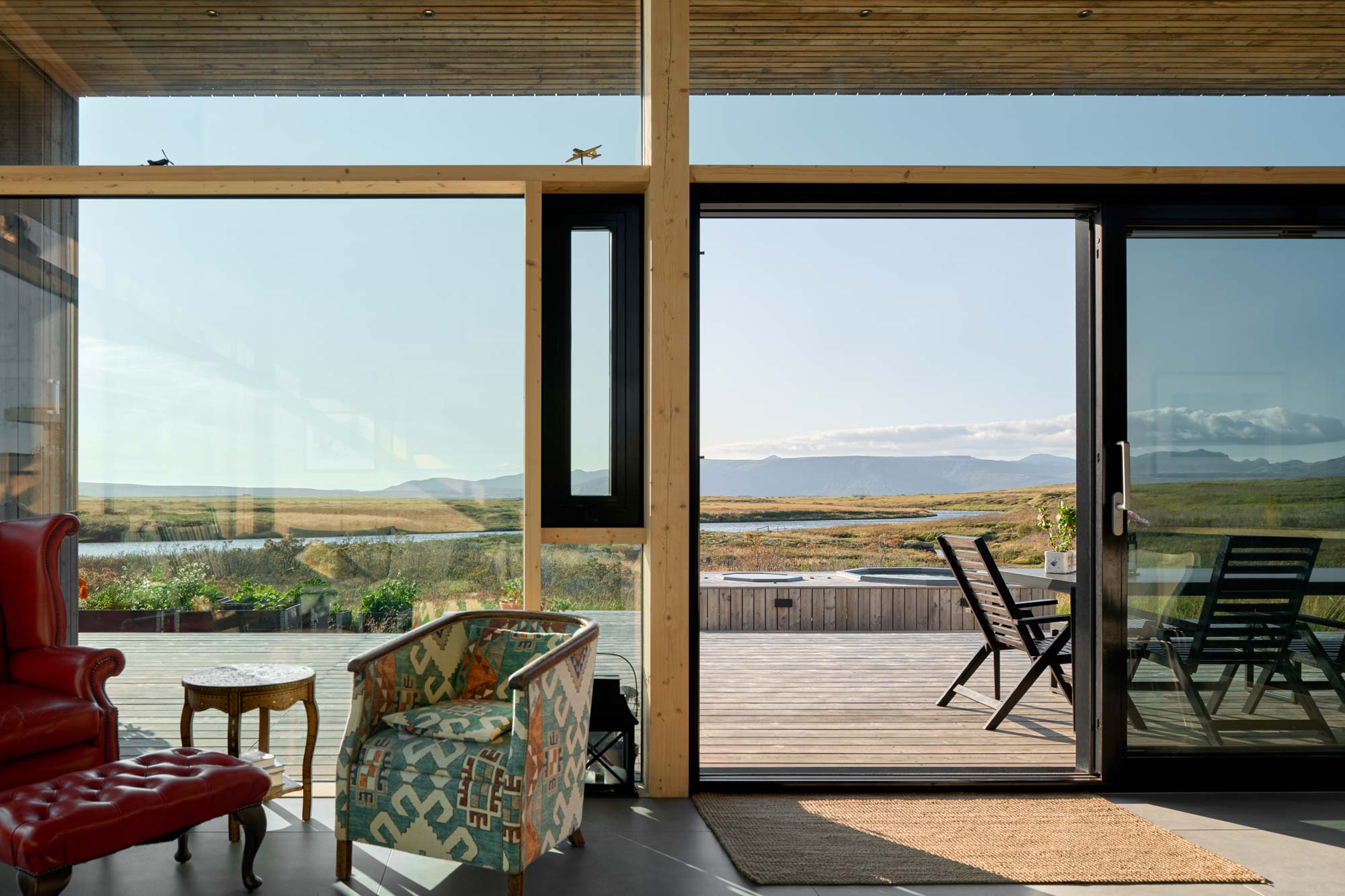
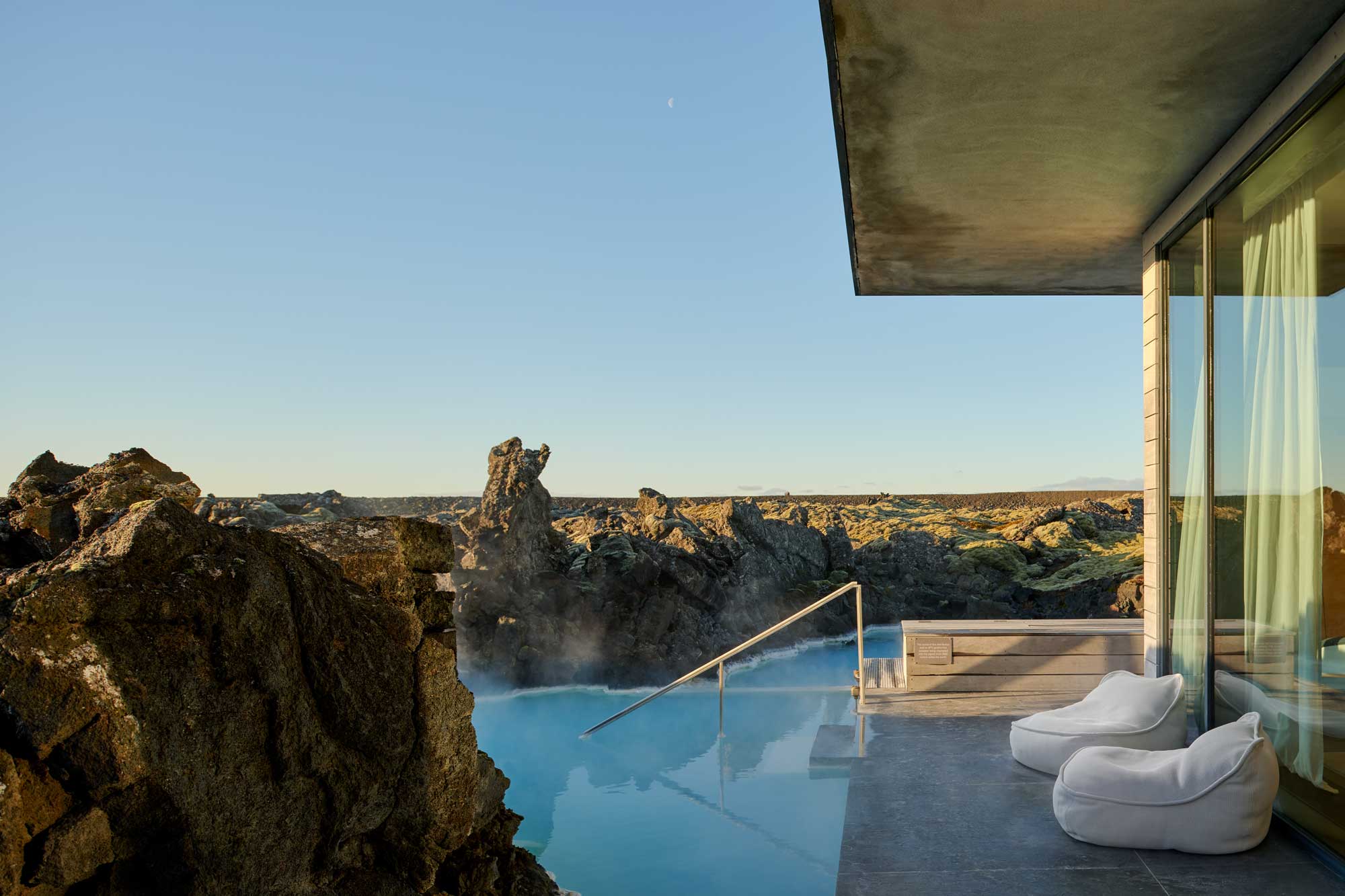
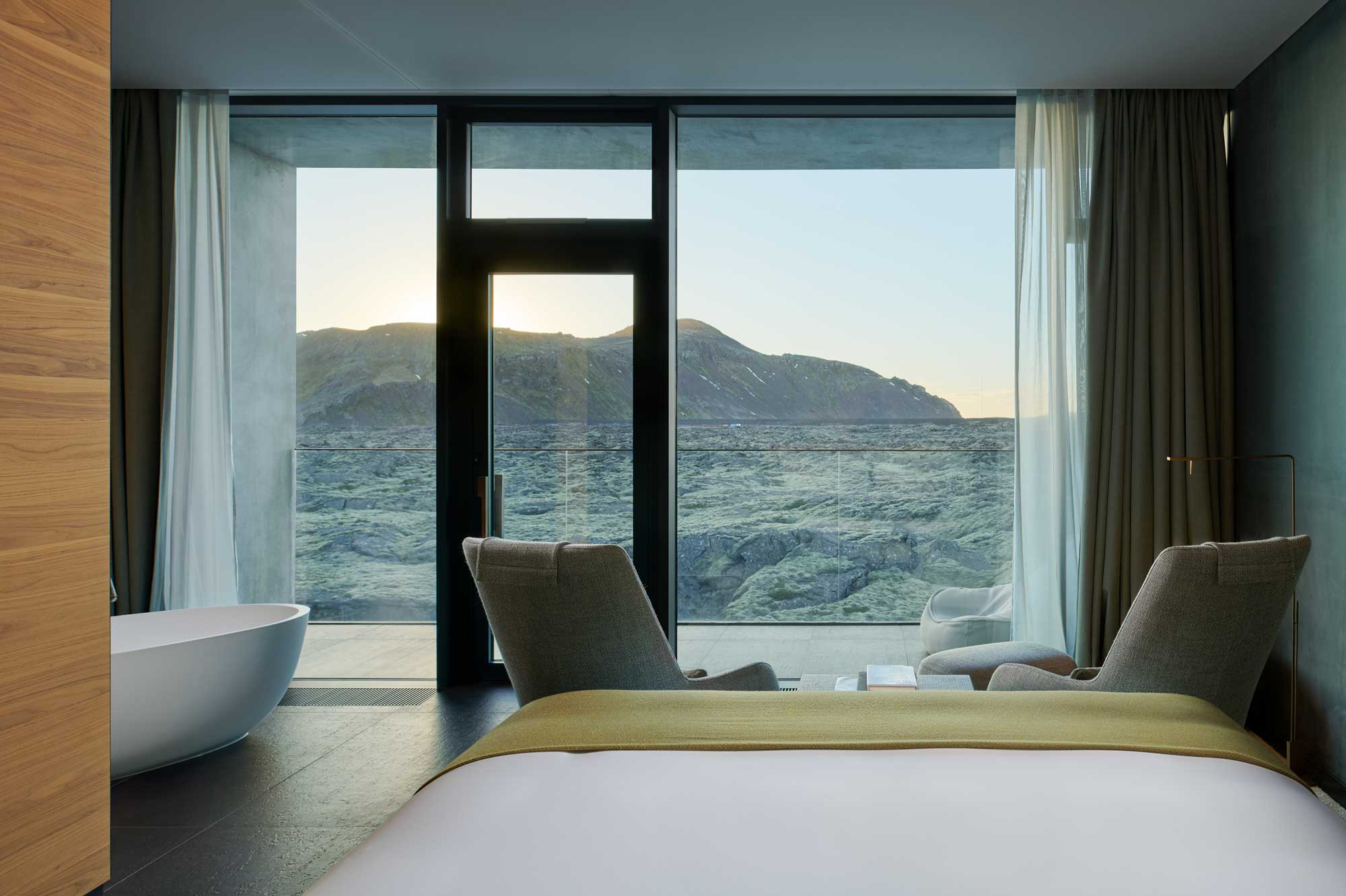
Portfolio Examples: Photography in Practice
The role of professional hotel photography becomes most clear when looking at real projects. Hotels in Iceland need to express architecture, interior atmosphere, landscape, and cultural context at the same time. In my experience, photography is what allows these layers to come together into a readable and convincing narrative.
The following projects represent two very different approaches to hospitality design. Photographing them required different strategies, but the same underlying goal: to describe how the hotel is experienced, not just how it looks.
The Reykjavik EDITION Hotel
The Reykjavik EDITION is located in the city’s newest waterfront district and represents a contemporary, international approach to luxury hospitality, filtered through Icelandic material sensibility. The architecture and interiors rely on clear geometry, controlled palettes, and natural materials such as stone and wood, creating a refined but grounded atmosphere.
When photographing this project, my focus was on balance. The hotel sits in an urban setting, yet it maintains a calm and composed interior character. Large windows connect the spaces to Reykjavík’s skyline, harbour, and distant mountains, which meant that timing and exposure were critical. I planned exterior and interior images so that views remained present without overpowering the spaces themselves.
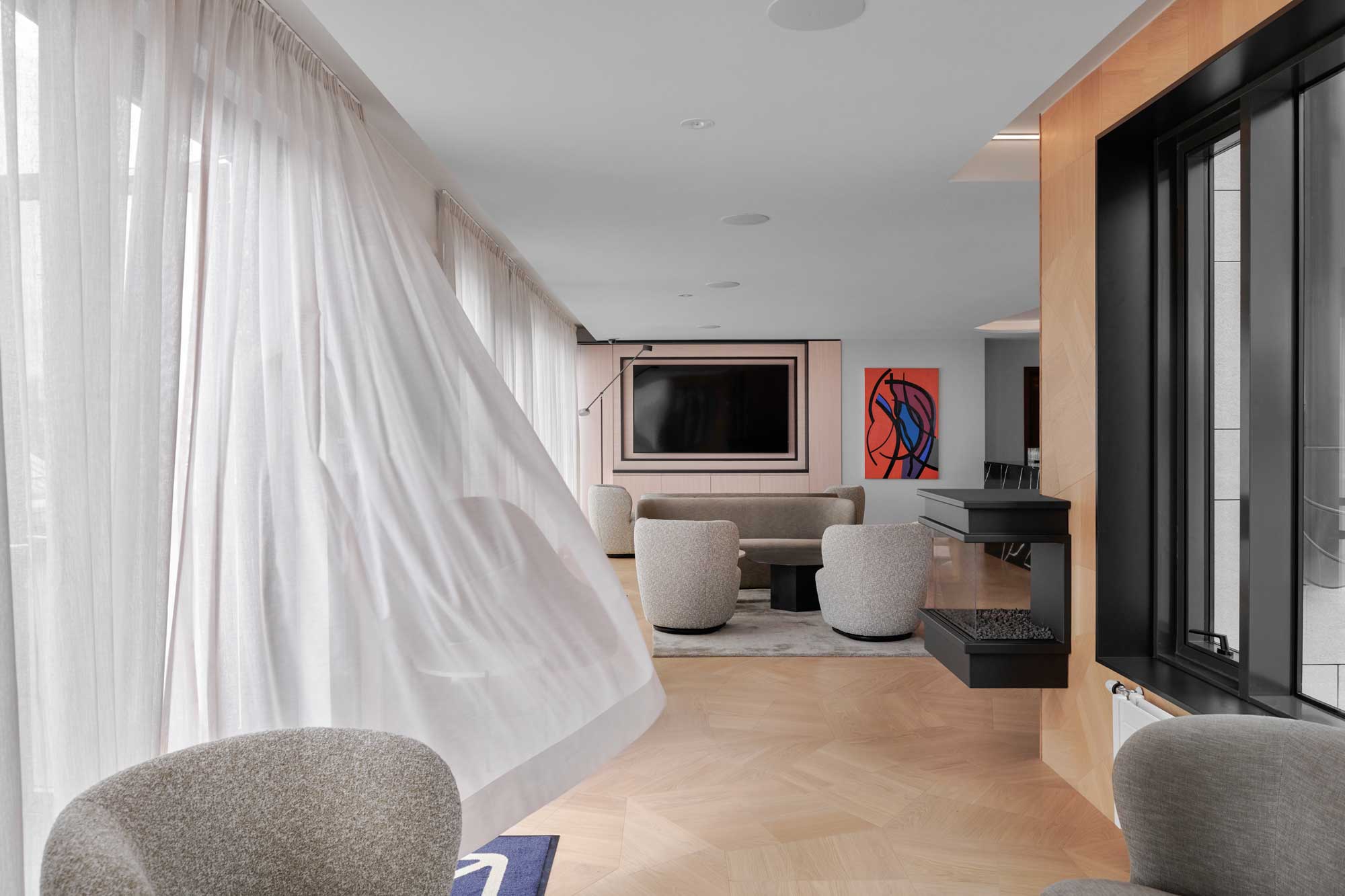
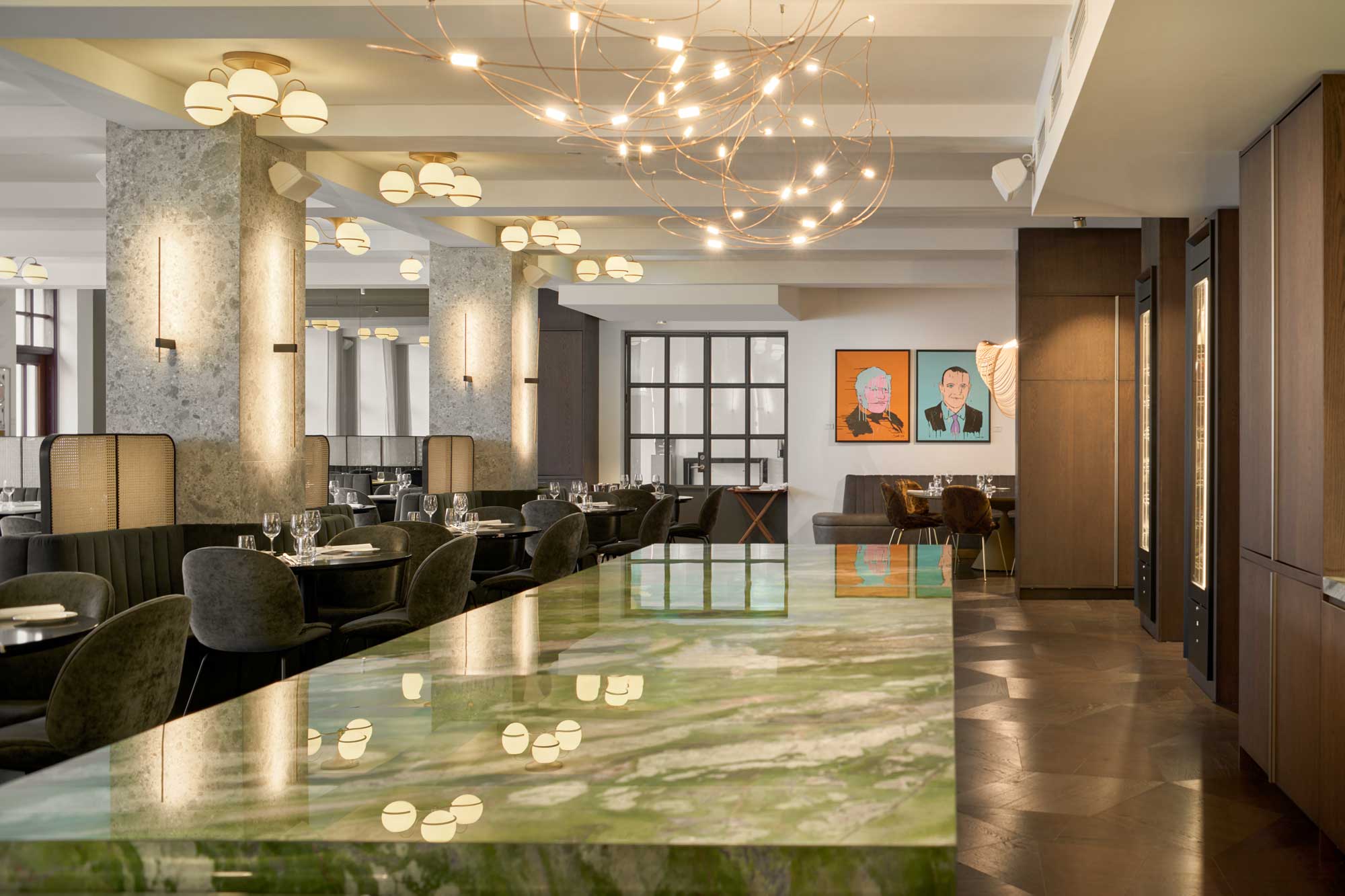
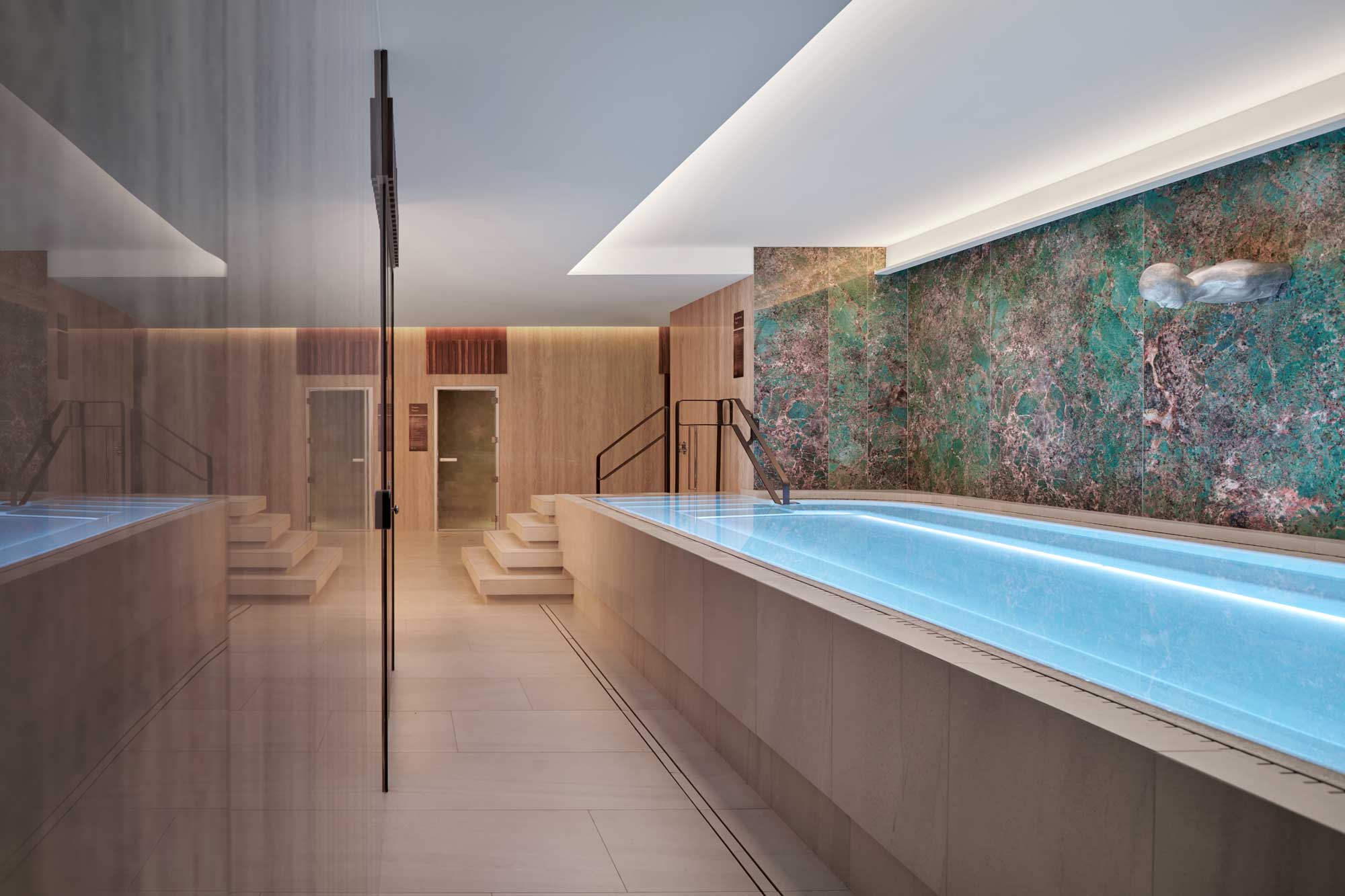
Inside, I worked with soft light and restrained compositions to communicate comfort, material quality, and continuity between spaces. Restaurants, spa areas, and shared interiors were photographed as part of a single experience rather than isolated highlights. My aim was to make the hotel feel cohesive and credible – the same qualities guests expect when they arrive.
For a hotel operating in the luxury segment, this kind of photography supports pricing, brand positioning, and direct bookings by setting clear expectations and building confidence before the stay even begins.


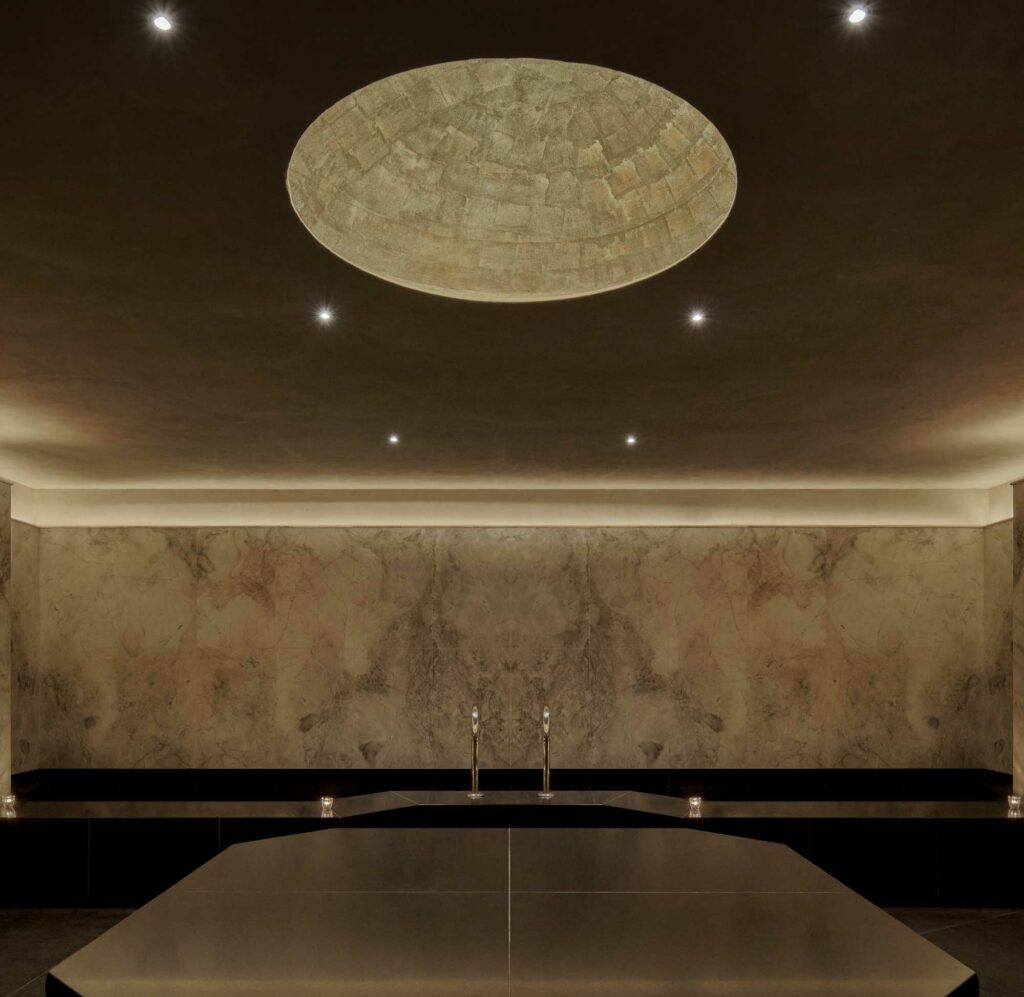
The Iceland Parliament Hotel
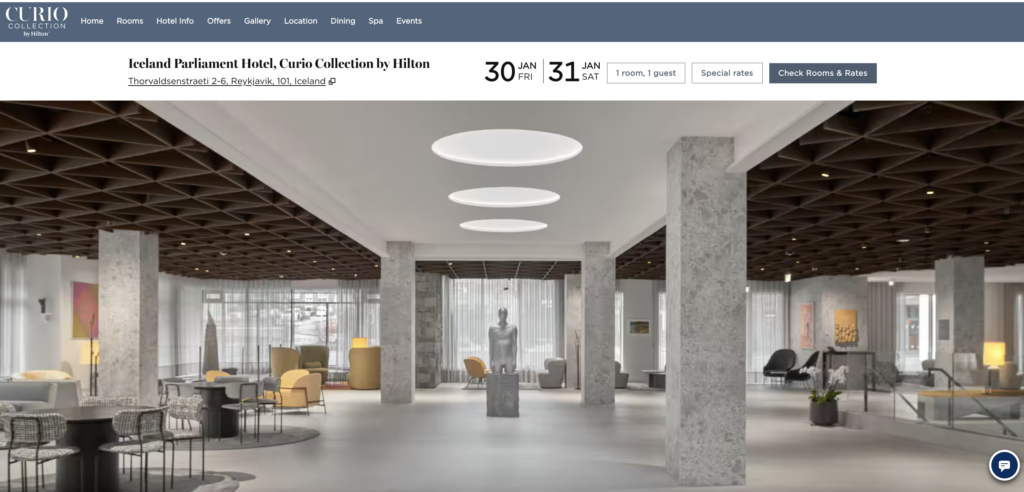
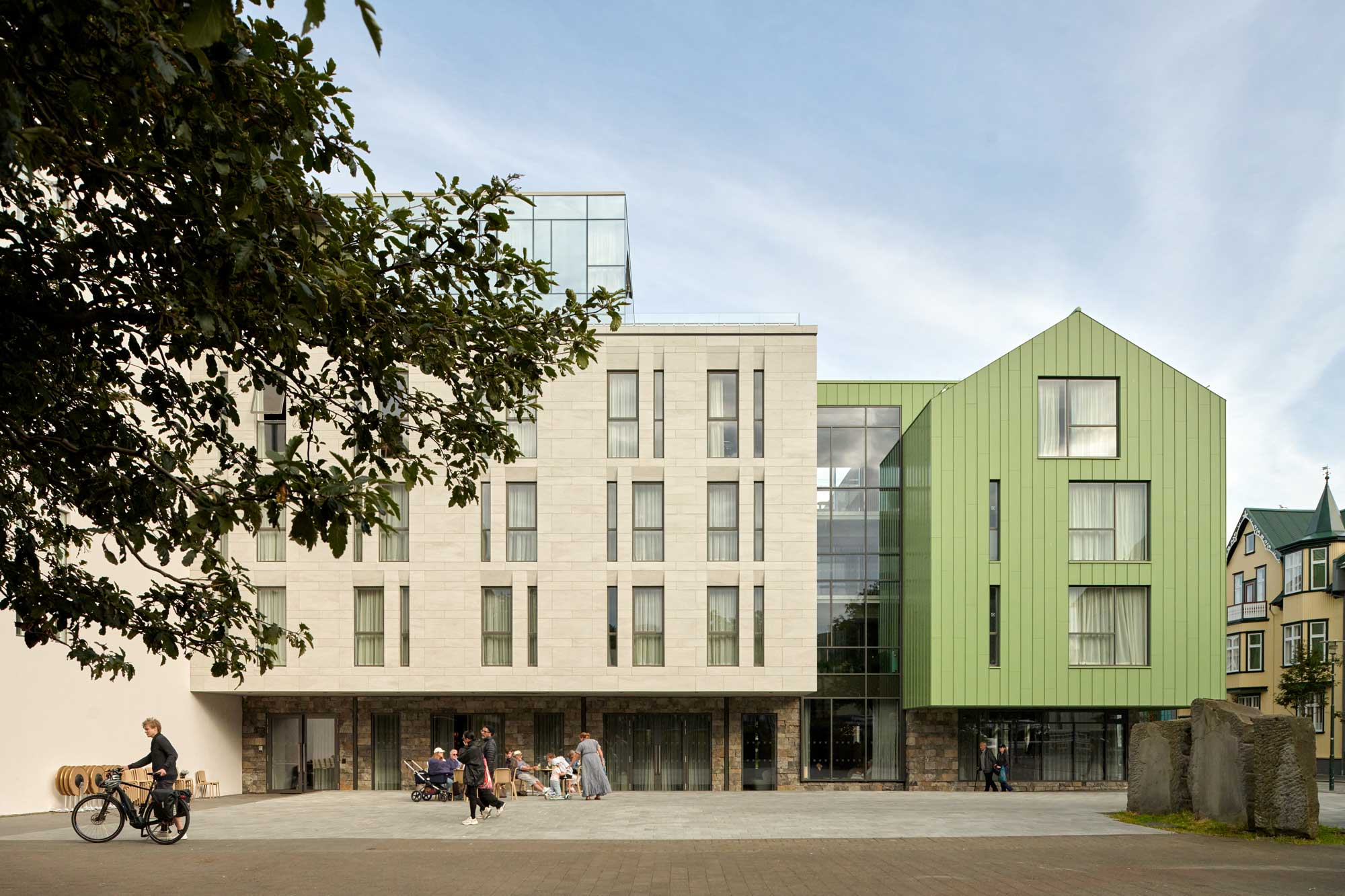
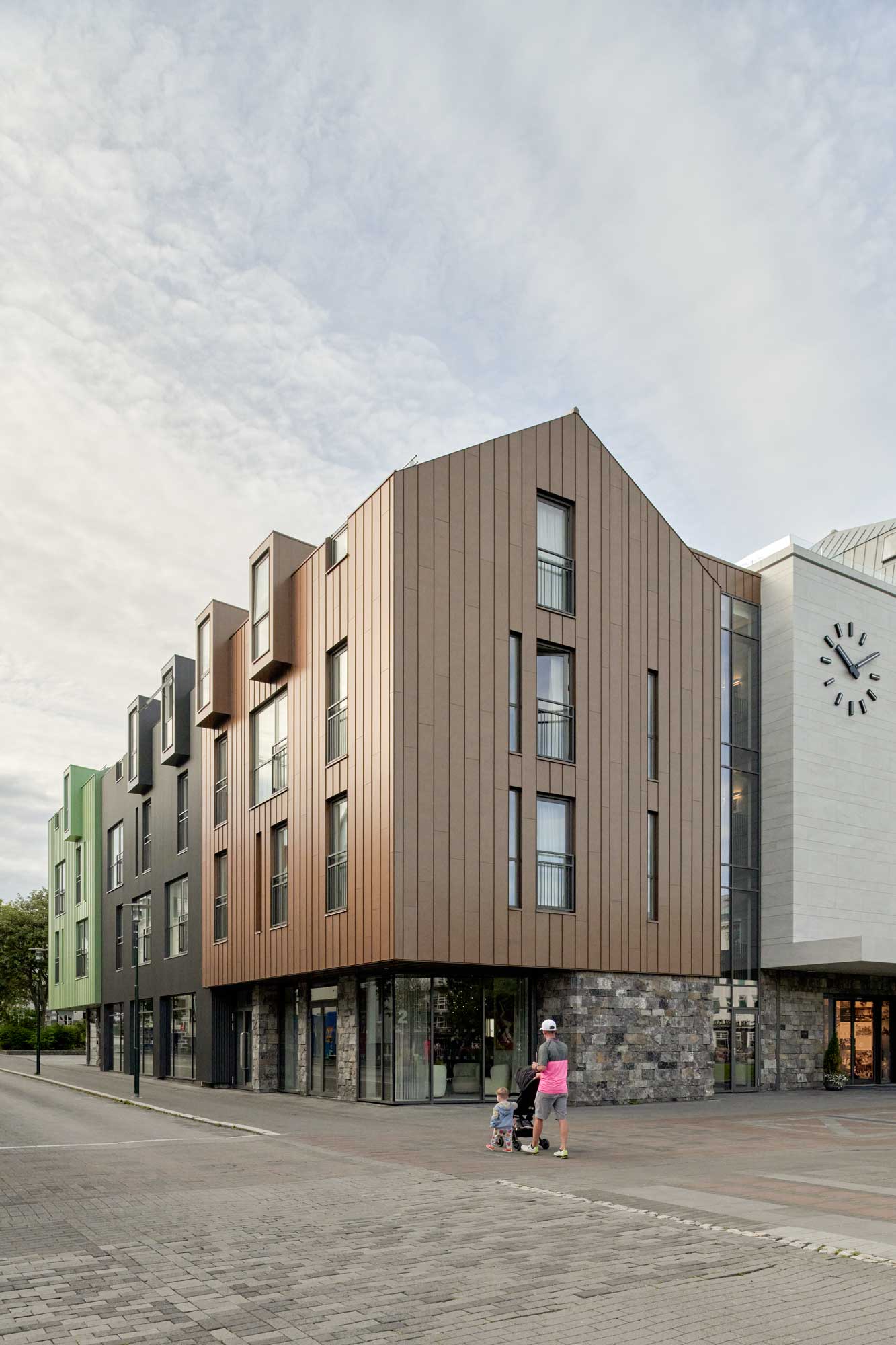
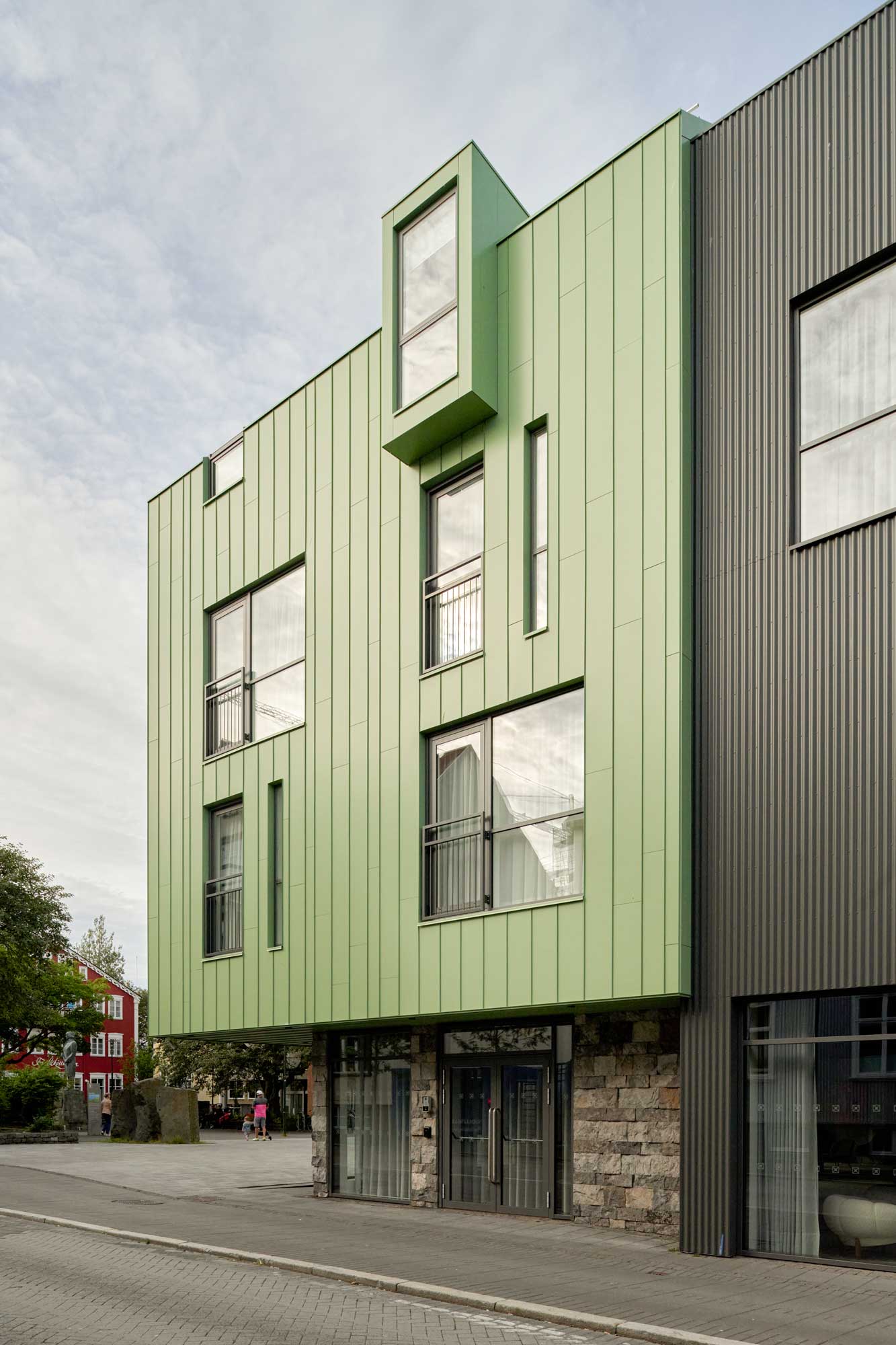
The Iceland Parliament Hotel presented a very different photographic challenge. The project brings together seven buildings, combining new construction with restored historical structures of strong cultural significance, including Independence Hall and former institutional buildings central to Reykjavík’s history.
Here, photography had to explain complexity rather than simplify it. From the beginning, my approach was to show how the different buildings relate to one another and how history and contemporary hospitality coexist without tension. Exterior images were used to clarify urban context and scale, while interior photographs focused on transitions between old and new.
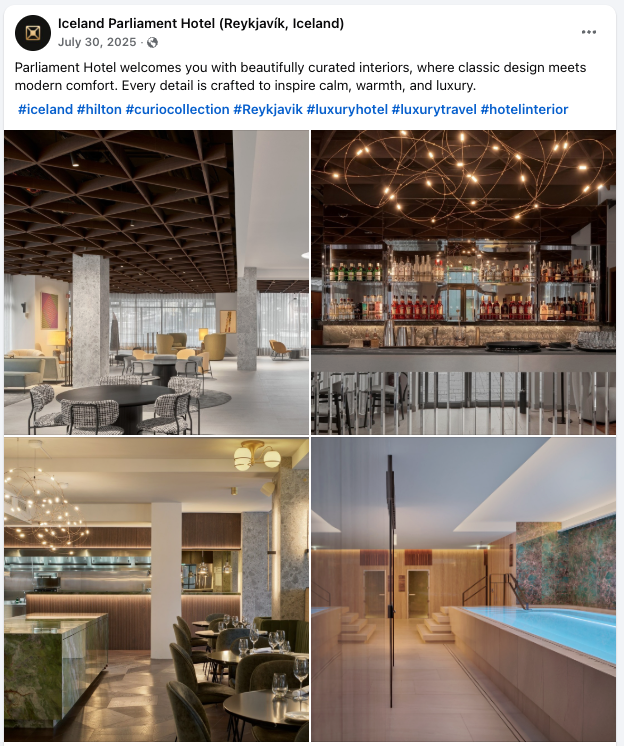
Light played a key role. I worked with neutral, even conditions to reveal texture, age, and craftsmanship without turning them into spectacle. Details and materials were photographed selectively, always in relation to the spaces they belong to. The goal was to make the experience legible — to help guests understand where they are and how the architecture supports that understanding.
In this case, photography supports storytelling as much as marketing. It helps communicate cultural value, authenticity, and a strong sense of place — qualities that increasingly influence how travellers choose where to stay in Reykjavík.
What These Projects Taught Me
Although very different in character, both hotels rely on the same photographic principles: clarity, restraint, and attention to context. In both cases, my focus was on ensuring that the photographs reflect how the hotel is perceived in real life.
This is where I see the real value of professional hotel photography. When images are planned carefully and shaped by local knowledge, they continue to work long after the shoot – supporting bookings, branding, press material, and long-term communication across multiple platforms.
Photography as a Long-Term Investment for Hotels in Iceland
Professional photography is part of how a hotel communicates its value, builds trust, and competes over time. Images shape first impressions, influence booking decisions, and help guests understand not only what a hotel offers, but where it is and how it feels to stay there.
From my experience working with hotels across Iceland, strong photographic work continues to deliver value long after the shoot itself. A well-planned image set can be used for several years across booking platforms, hotel websites, press features, social media, and seasonal campaigns. The return is cumulative: fewer misunderstandings, stronger positioning, and more confident guests.
Photography also gives hotels more control. When visuals are accurate, consistent, and aligned with the property’s identity, they support direct bookings and reduce reliance on third-party platforms. At the same time, they create a visual archive that can grow with the hotel, adapting to new uses, campaigns, and audiences.
If you are developing a new hotel, refreshing an existing property, or rethinking how your hotel is presented online, I’m happy to discuss how photography can support your goals. I work as a hotel and architectural photographer across Iceland, Greenland, the Faroe Islands, and Norway, with a focus on strong visual identity and images that continue to work long after they are published.
Feel free to get in touch and tell me about your project.


